You’ve decided the car’s days are done, and the obvious question is what you’ll actually walk away with. How much do you get for scrapping a car comes down to a few things you can size up yourself, and in 2026 most cars land somewhere between £150 and £500. Here’s what sets the figure and how to make sure the number you’re quoted is a fair one.
How much do you get for scrapping a car?
Most scrap cars in the UK are worth between £150 and £500 in 2026, with the average sitting around £200 to £350. The exact amount depends mostly on how heavy the car is and what scrap metal is selling for that week. Light, older superminis sit at the lower end, while heavier estates, 4x4s and vans pull in more.
As a rough guide, here is what different cars tend to fetch at the moment.
| Car type | Example | Typical scrap value |
|---|---|---|
| Small car | Fiesta, Corsa | £150 to £280 |
| Medium car | Focus, Golf | £280 to £350 |
| Large saloon / estate | Passat, 5 Series | £320 to £420 |
| SUV / 4×4 | X5, Discovery | £350 to £500+ |
| Van | Transit, Sprinter | £350 to £550+ |
Treat these as guides rather than promises. The only way to get a firm number is a quote against your registration, which factors in your car’s weight and the current market.
What decides how much you get?
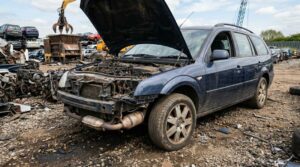
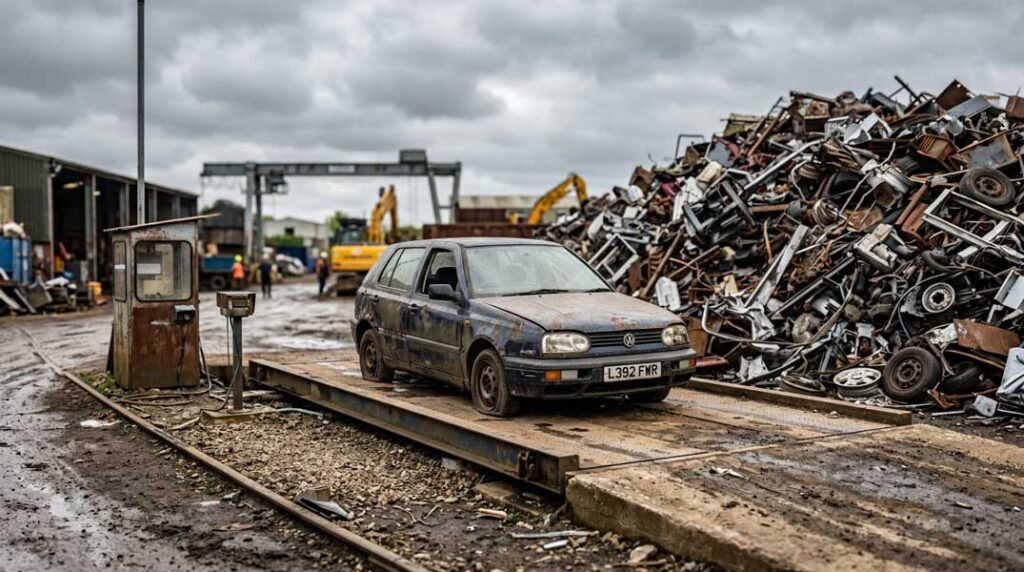
Weight is the foundation of any scrap quote. An Authorised Treatment Facility weighs the car because the metal in it is what they’re buying. A 2-tonne SUV is worth more than a one-tonne hatchback before anything else is counted.
Scrap metal prices then move the figure up and down. The bulk of a car is steel, which trades at roughly £120 to £180 a tonne. The copper in the wiring and the aluminium in the engine and wheels are worth far more, and those rates have stayed high through 2026. Because those rates shift daily, a quote that was £220 one week can be £180 the next.
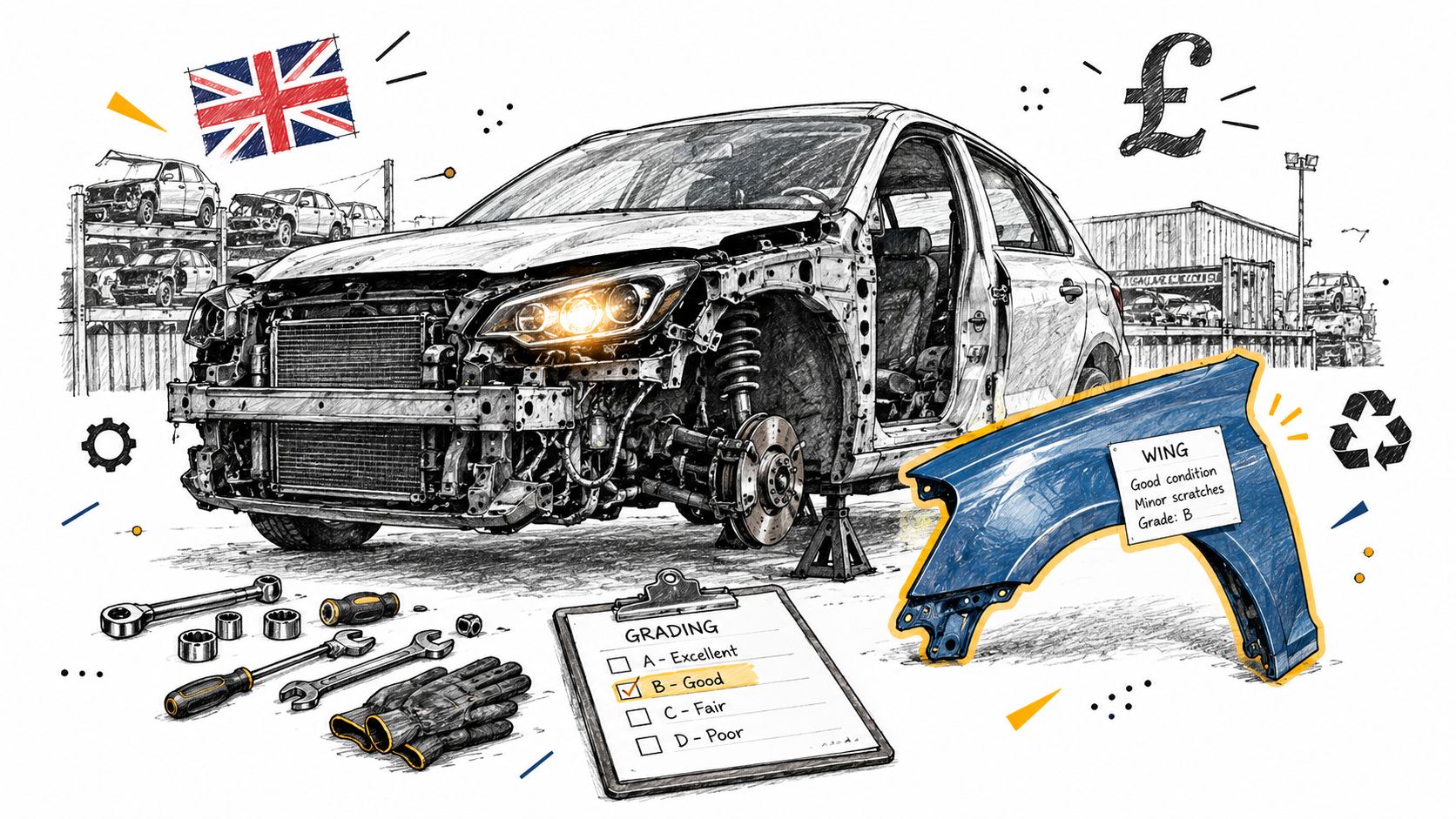
The car itself matters too. Newer, low-mileage and sought-after models are often worth well above their metal value, because a dismantler can sell the working parts on. A clean recent Lexus or a low-mileage petrol car can be worth more than two or three older hatchbacks put together.
How much is a car worth in scrap by weight?
If you strip it back to the metal, the sum is weight times the going rate. At a steel price near £130 a tonne, a one-tonne supermini works out around £180, a 1.4-tonne saloon about £250, and a 2-tonne SUV roughly £360 before any extras.
That tonnage figure is only the starting point. Yards add value for the catalytic converter and any non-ferrous metal, then take off for missing parts or fluids that need draining. Heavier vehicles win on this maths every time, which is why vans and 4x4s sit at the top of the table.
Why your catalytic converter matters so much
The catalytic converter holds small amounts of platinum, palladium and rhodium, and those metals are valuable enough to swing the whole quote. A car with its original cat in place will always be offered more than one without.
If the converter has been stolen or removed, expect a scrap dealer to knock anywhere from £100 to £300 off the figure. It’s worth confirming whether a quote assumes the cat is the original factory part, since that one component can be the difference between a good offer and a poor one.
How do you get paid for a scrap car?
Paying cash for a scrap car has been illegal since the Scrap Metal Dealers Act 2013, so a legitimate buyer pays you by bank transfer. Anyone offering you notes for your car is breaking the law, and that’s a clear sign to walk away.
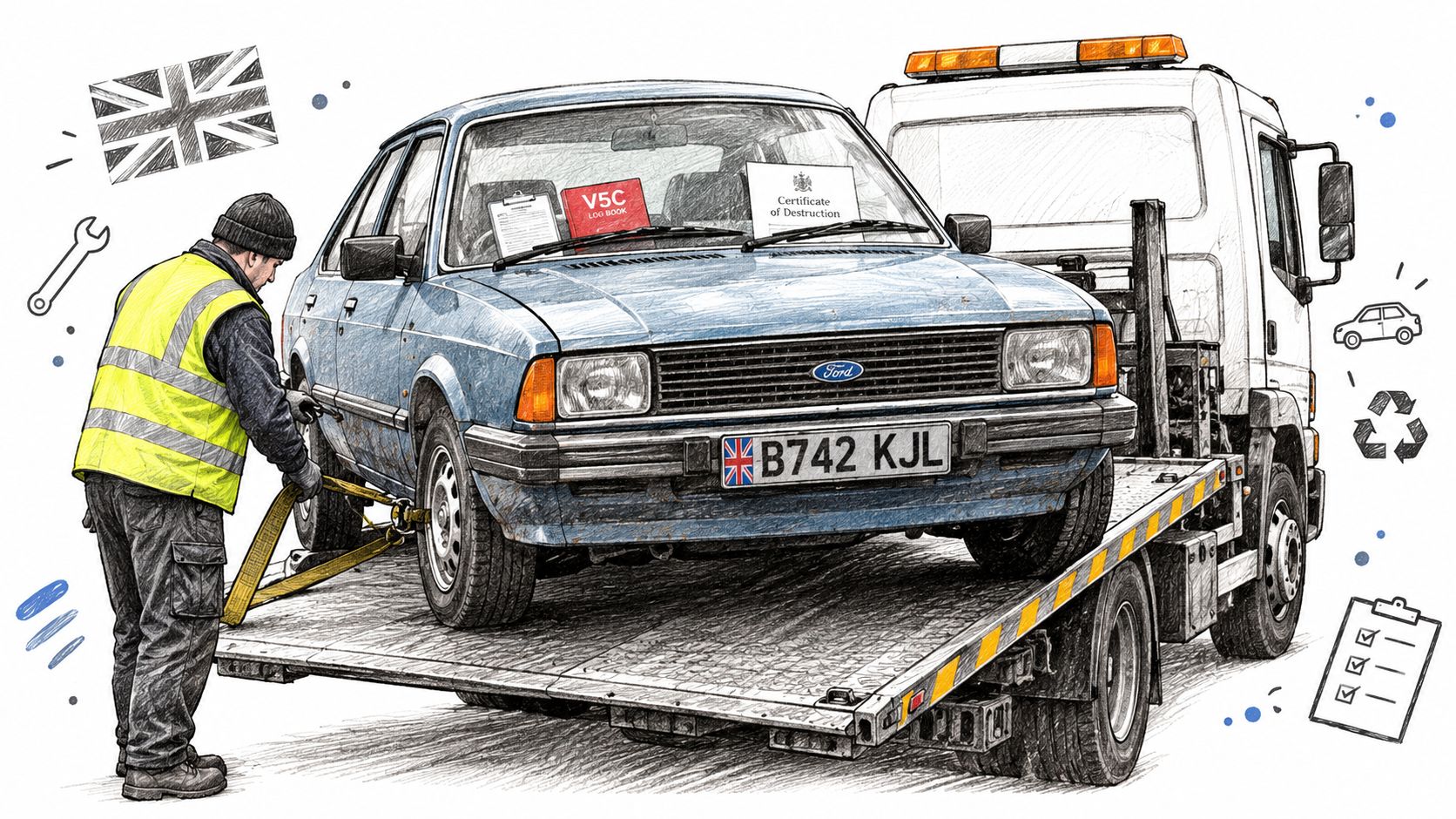
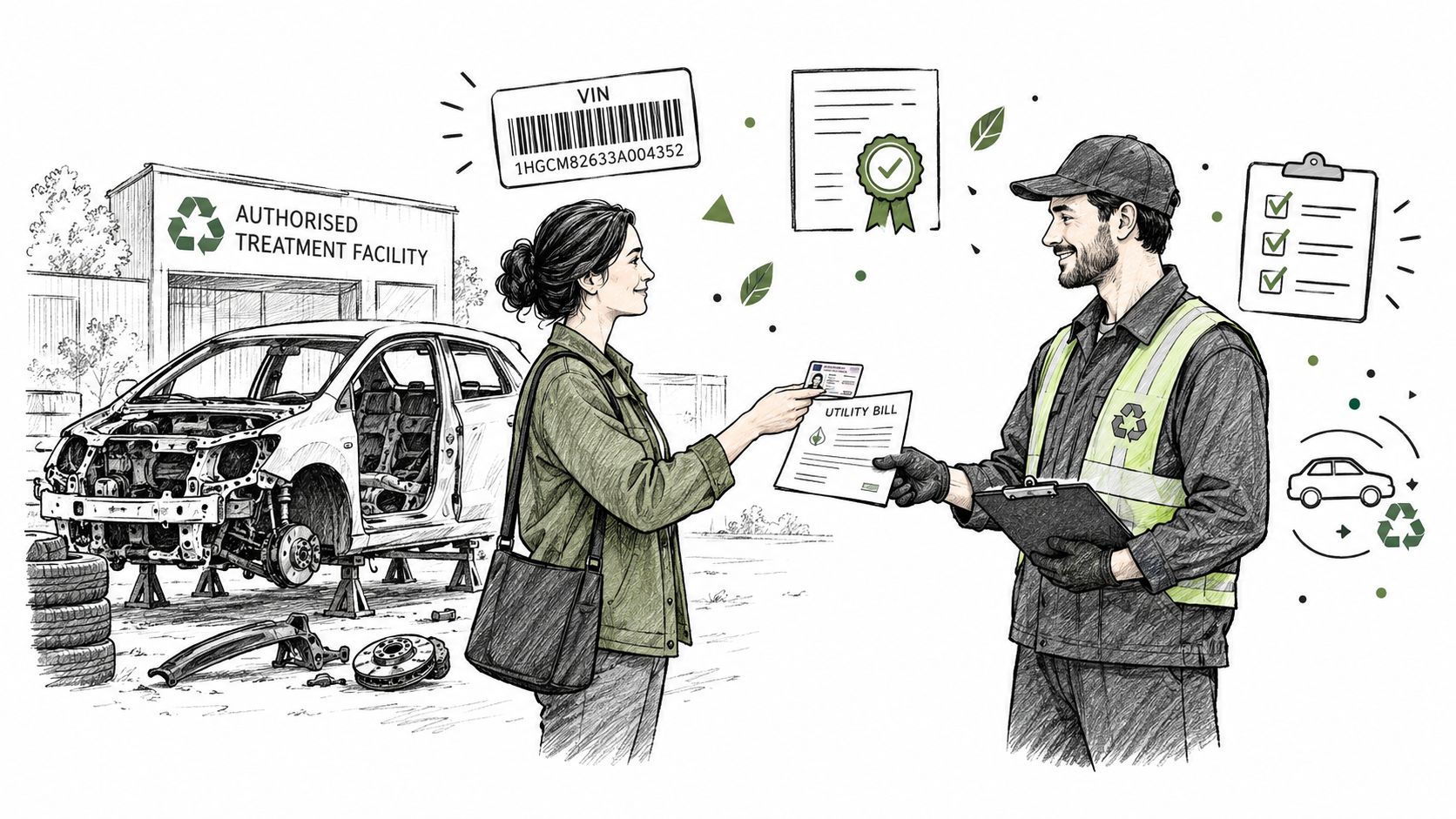
A proper scrap deal also runs through a licensed Authorised Treatment Facility, which issues a Certificate of Destruction once the car is processed. You then need to tell the DVLA the car has been scrapped. That protects you from future liability and triggers a refund of any full months of tax left. The rules on licensed dealers come from the Scrap Metal Dealers Act itself.
How to find out exactly what your car is worth
General ranges are useful for setting expectations, but your car has its own weight, parts and condition. The quickest way to turn that into a real number is to get a free valuation for your registration, which prices your exact vehicle against today’s rates.
From there you can book an instant online quote and arrange free collection across England, Wales and Scotland. If your main aim is squeezing out the highest figure, our guide to getting the best scrap car price walks through the details worth knowing before you commit.
Frequently asked questions about scrap car payouts
How much do you get for scrapping an average car?
Most ordinary cars fetch between £150 and £350 in 2026, with the figure driven by weight and current scrap metal prices. Small, light cars sit lower, while heavier saloons, estates and SUVs sit higher. A complete car with its catalytic converter is always worth more.
Do you get cash for scrapping a car?
No. Cash payments for scrap vehicles have been banned since 2013, so a legitimate buyer pays by bank transfer. If a dealer offers you cash, they’re operating illegally, and using them can leave you without proof of payment or proper disposal.
Can you scrap a car without the V5C logbook?
Yes, you can scrap a car without the V5C, though you’ll need to prove you’re the owner and use a licensed Authorised Treatment Facility. You must still tell the DVLA the car has been scrapped so you aren’t held responsible for it afterwards.
Do you get less for a car that doesn’t run?
Not necessarily. Scrap value is mostly about weight and metal rather than whether the car drives, so a non-runner is still worth its materials. A complete non-runner with its catalytic converter and alloys can be worth more than a stripped car that still starts.
How do I get the most money for my scrap car?
Keep the car complete, especially the catalytic converter, compare quotes against your registration, and check current scrap metal rates before you commit. Dropping the car at the facility yourself can add a little, since it saves the dealer the collection cost.