Maybe you’re eyeing up a used car and something about it doesn’t add up. Maybe you scrapped your old motor months ago and want to be sure it is properly recorded. Either way, you need to know how to check if a car has been scrapped, and there is one catch most people do not expect, because the free DVLA lookup will not simply hand you a “scrapped” label. This guide walks through what the free checks really show, the reliable way to confirm a car’s fate, and how the Certificate of Destruction fits in.
Can you check if a car has been scrapped for free?
Partly, but not as clearly as you would hope. The DVLA runs a free vehicle enquiry service where you enter a registration and see the car’s tax status, whether it is on a SORN, its MOT expiry date and a few other basics. What that free check does not give you is a plain statement that the vehicle has been scrapped. A car that has been crushed might show as untaxed or SORN, which is a hint, but plenty of perfectly normal cars show the same thing, so it proves nothing on its own. A SORN is not a scrap record. The two are easy to confuse.
A free MOT history check is the useful second look. It lists every MOT test, the result and the recorded mileage going back to 2005. You’re hunting for signals rather than a label here. An MOT history that stops abruptly, or mileage that jumps around in an odd way, can suggest a car that left the road for a reason. Cross-checking the DVLA details against the MOT record is a sensible free first step, but neither was built to confirm scrapping outright.
The reliable way to check is a vehicle history report
If you want a definite answer, a paid vehicle history check is the tool for the job. These reports, often called HPI-style checks, are the only reliable way to see whether a car has been formally scrapped. You enter the registration or the vehicle identification number, pay a small fee, and the report scans official records.
A good history check flags far more than scrap status. It will surface any Certificate of Destruction on file, insurance write-off category, outstanding finance, stolen markers and mileage discrepancies. For anyone buying a used car, that single report is worth the few pounds it costs, because it turns a gut feeling into documented fact, and it is the most dependable part of how to check if a car has been scrapped. If the report comes back showing the car was scrapped, that is your answer, and you walk away.
Phone the DVLA to confirm the record
You can also go straight to the source. The DVLA vehicle enquiries line, on 0300 790 6802, is open from 7am to 7pm, and the team can confirm what the agency holds against a registration. If you’re trying to verify a scrap record or chase up a Certificate of Destruction, a quick call settles it for good.
This route is most useful when you already have a connection to the car, such as one you used to own or one you’ve just bought and now have doubts about. If you’ve recently paid for a car that turns out to have been scrapped, speak to the seller or dealer with the DVLA’s confirmation in hand, because an undisclosed scrap record may give you grounds for a refund.
What a Certificate of Destruction proves
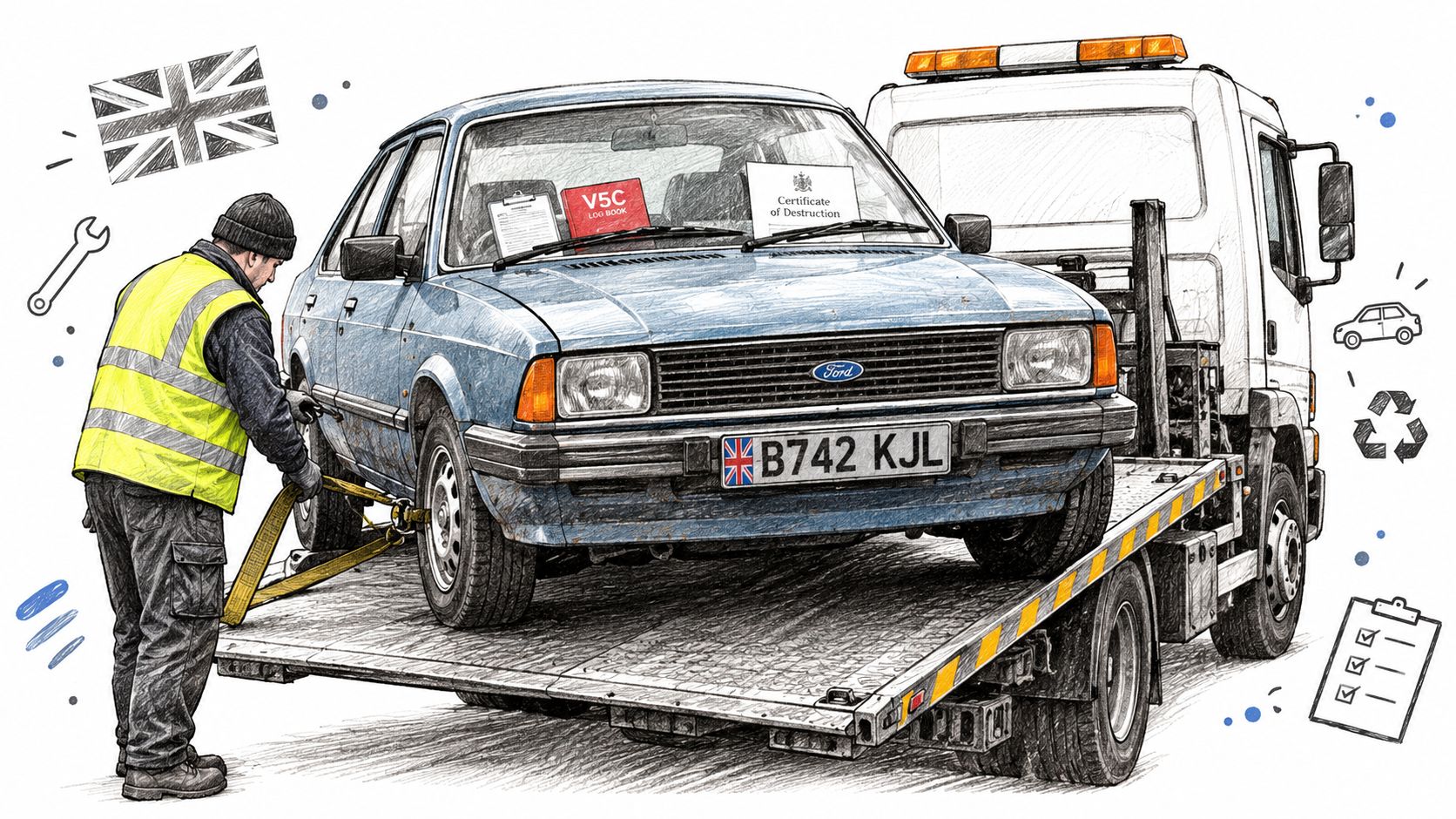
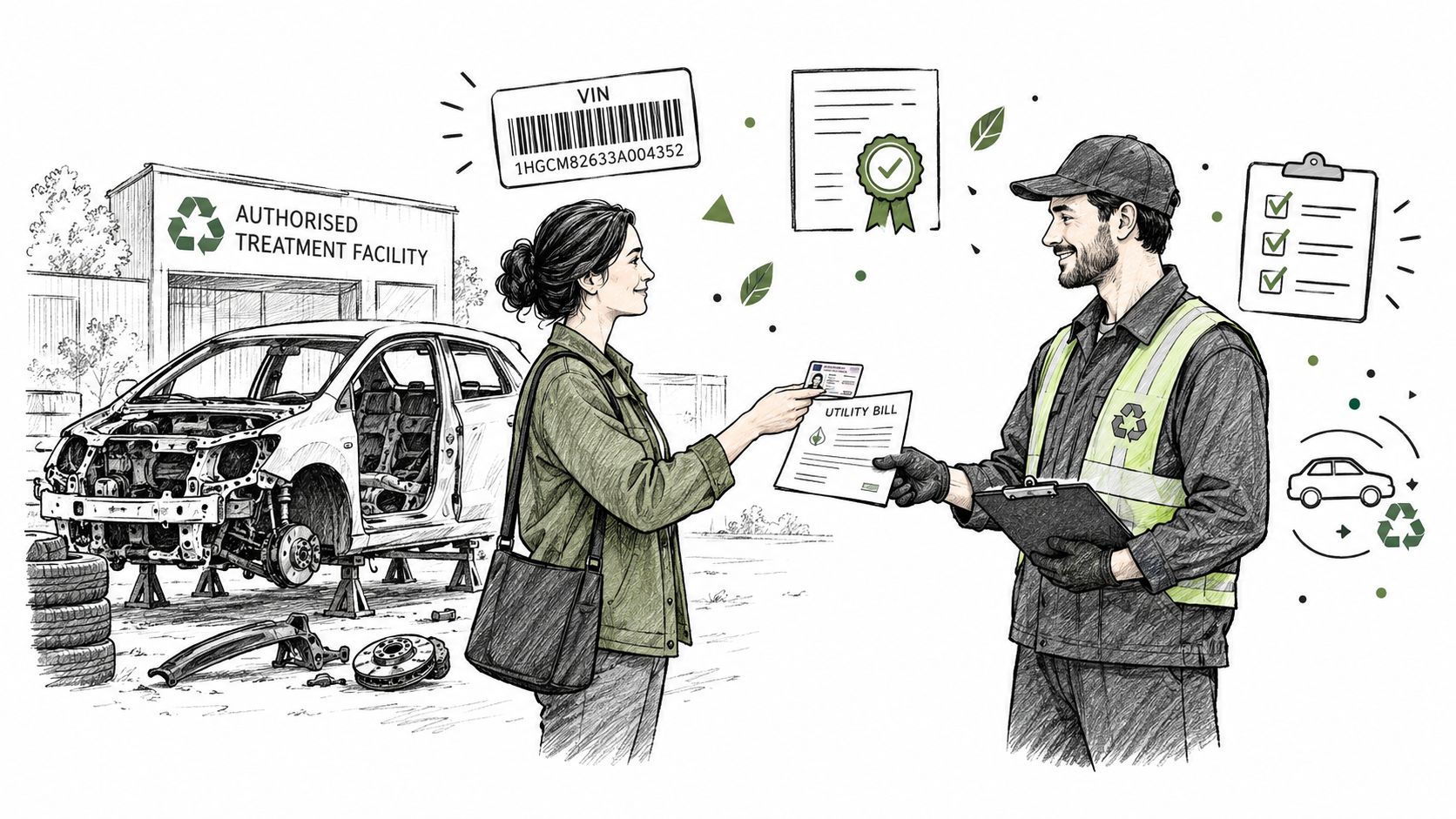
The Certificate of Destruction, or CoD, is the official proof that a car has reached the end of the line. It is a DVLA-backed record confirming that an Authorised Treatment Facility has depolluted or destroyed the vehicle and told the DVLA. Only an ATF holding a valid permit can access the official system to issue one and permanently close the vehicle’s record, which is what makes it the gold standard of proof. No other document carries the same weight.
When a car, light van or eligible three-wheeler is completely scrapped, the ATF should give you the CoD within seven days. There is an important wrinkle for sellers, though. If you sold the car to the scrapyard so that the facility became the registered keeper before destruction, the CoD goes to them rather than you. In that case you simply ask the ATF for a copy, and they can reprint it from the DVLA system. Keep that certificate safe, since it is your clean proof that the car is legally gone. You may need it years later if a question ever arises over the vehicle.
What “scrapped” actually means
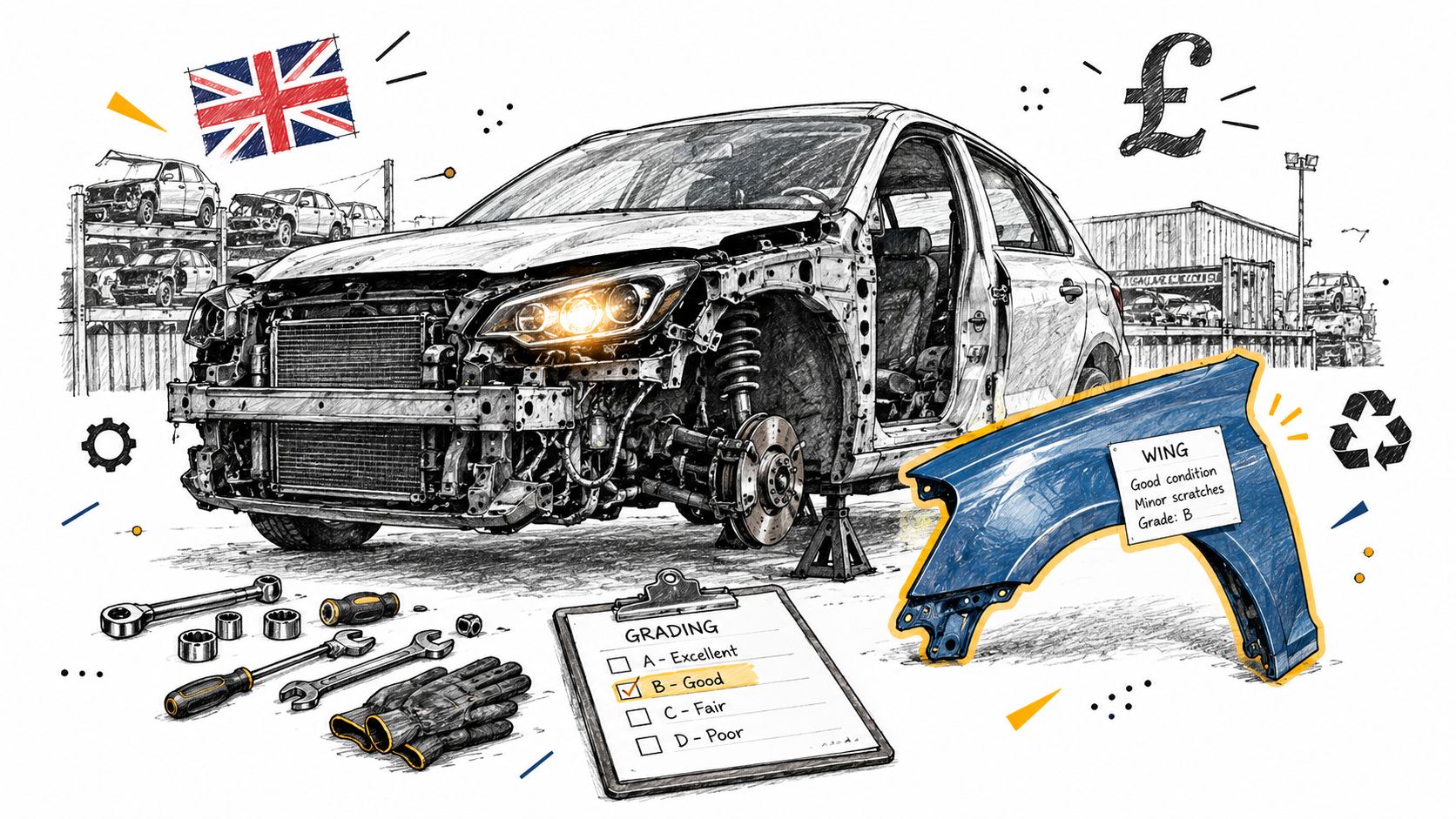
It helps to know what sits behind the status. When a car is scrapped at a licensed ATF, the facility must drain and remove the hazardous materials, then destroy the vehicle’s identity to meet End-of-Life Vehicle rules. The DVLA only marks the record as scrapped once it receives the Certificate of Destruction from that facility.
What all of this guarantees is permanence. A properly scrapped car should never reappear for sale or return to the road, and it is illegal for an ATF to resell a scrapped vehicle for road use. That’s different from a written-off car, which can sometimes be repaired and legally driven again depending on its category. If you’re weighing up which is which, our guide to car write-off categories explains where the line falls.
Is a scrapped car check the same as a write-off check?
They overlap, but they are not identical. A write-off is an insurance category, recorded when an insurer decides a car is uneconomical or unsafe to repair. A scrap record means the car was actually destroyed at a licensed facility and a Certificate of Destruction was issued. One is a decision. The other is the end result.
The two often meet. A Category A or B write-off must be scrapped and never returns to the road, so it should show both markers. A Category S or N car, by contrast, can be repaired and driven again once fixed and re-registered. A decent vehicle history report shows both the write-off category and the scrap status side by side, so read both fields rather than stopping at the first one you see.
How to confirm your own car was scrapped
If it’s your old car you’re checking, the process is a little different. You should have received a Certificate of Destruction from the ATF that took it. If one never arrived, contact the facility and ask them to send a copy, since they can pull it from the DVLA system.
There is a second thing worth confirming. You must tell the DVLA when your car is scrapped, and failing to do so can land you a fine of up to £1,000, along with lingering responsibility for tax and the vehicle itself. If you handed the car over but never notified the DVLA, sort it now. Our guide on how to notify the DVLA your car has been scrapped covers exactly what to send. One last point on number plates, since a private registration is lost once the car is destroyed unless you retained it first, which our guide to keeping your plate when scrapping explains.
What if there’s no scrap record showing?
Sometimes a check comes back blank, and that doesn’t always mean the car is fine. Records take time to feed through the system. If a car was scrapped only days ago, the Certificate of Destruction and the history databases may not have caught up yet, so wait a short while and check again.
There’s another possibility worth knowing. A previous keeper may have scrapped or sold the car without ever telling the DVLA, which leaves the record looking incomplete. If you suspect that, a call to DVLA vehicle enquiries is the quickest way to learn what the agency actually holds. And if a genuine, up-to-date check shows no scrap marker at all, that is usually good news for a buyer, provided the rest of the history makes sense. Treat a clean result as one piece of the picture rather than the whole story, and keep checking the MOT trail and the paperwork alongside it.
What a scrapped flag means when buying a used car
For a buyer, a scrapped result is a hard stop. A scrapped car is no longer roadworthy and cannot legally be driven, so no price is low enough to make it worth the risk. Beyond the legal problem, you would struggle to insure it, and any insurer would have every reason to refuse a claim. The risk simply is not worth it.
Before money changes hands, do three quick things. Run a history check that can flag scrap status, not just MOT dates. Cross-check the DVLA details and MOT record so the story hangs together. Then confirm the vehicle identification number on the car matches the V5C logbook. If anything feels off, pause the purchase until the status is proven, because a clean-looking car with a hidden past is exactly what these checks exist to catch.
Need to scrap a car yourself? Get a valuation and a proper CoD
If your checking leads you the other way, and you’ve realised it’s your own car that needs scrapping, a licensed service makes it painless. The right scrap company handles the DVLA notification for you, issues your Certificate of Destruction, collects the car for free and pays you by bank transfer. You end up with both the money and the paperwork that proves the job was done correctly. That paperwork is the same Certificate of Destruction a buyer would later check for, which is the full circle of how to check if a car has been scrapped.
When you’re ready, you can check what your car is worth in under a minute and get an instant online quote. Our guide on how much you get for scrapping a car breaks down the figure, and if the payment side is what matters most, our guide on how to scrap your car for cash explains how you actually get paid. You can also confirm any yard is licensed and start things properly on the GOV.UK MOT history service and the GOV.UK vehicle enquiry service.
Frequently asked questions
Can you check if a car has been scrapped for free?
You can run free DVLA and MOT history checks, but neither states plainly that a car has been scrapped. They show tax, SORN and MOT details that only hint at it. To confirm scrap status reliably you need a paid vehicle history check or a call to the DVLA.
Does the DVLA website show if a car is scrapped?
Not directly. The free DVLA vehicle enquiry service shows tax status, SORN and MOT expiry, not a clear scrapped label. For a definite answer, run a paid history check that flags scrap records, or phone DVLA vehicle enquiries on 0300 790 6802.
How do I get a copy of a Certificate of Destruction?
Contact the Authorised Treatment Facility that scrapped the car and ask for a copy. As the facility that issued it, they can reprint the certificate from the DVLA system. If you sold the car to the yard before it was destroyed, the original CoD would have gone to them.
How long does it take for scrapped status to show?
The ATF should issue your Certificate of Destruction within seven days of completely scrapping a car or light van. Records that history checks rely on can take a little longer to update, so the status may not appear the moment you hand over the keys.
Can I drive or insure a car that has been scrapped?
No. A scrapped car is not roadworthy and cannot legally be driven or insured. It is also illegal for a treatment facility to resell a scrapped vehicle for road use. If a history check shows scrapped status, do not buy or attempt to use the car.