You’ve found a buyer, agreed a price, or decided the car has reached the end of the road. Then the finance paperwork appears. The monthly payments may be up to date, but that doesn’t mean you own the vehicle outright. Until the finance is cleared, selling or scrapping it can leave you with a blocked transfer, an unexpected shortfall, or a lender still claiming the car.
The practical answer to “Can I sell my financed car?” is yes, but not by just handing over the keys. You need to establish who legally owns it, obtain a current settlement figure, compare that figure with the vehicle’s value, and make sure the lender confirms the balance has been cleared before ownership changes.
Table of Contents
- Understanding Legal Ownership and Finance Agreements
- Calculating Your Equity Position and Settlement Figure
- Choosing Between Private Sale Dealer Trade and Scrapping
- Handling Insurance Write-Offs and Accident Damage
- Executing the Final Handover and Paperwork
- Evaluating Your Best Exit Strategy
Understanding Legal Ownership and Finance Agreements
A V5C logbook doesn’t prove that you own the car. It records the registered keeper, the person responsible for matters such as taxing and insuring the vehicle. With common HP and PCP agreements, the finance company generally retains legal title until the agreement has been settled, even though you use the car and appear on the V5C. This distinction is explained in guidance on the legal owner of a financed car.
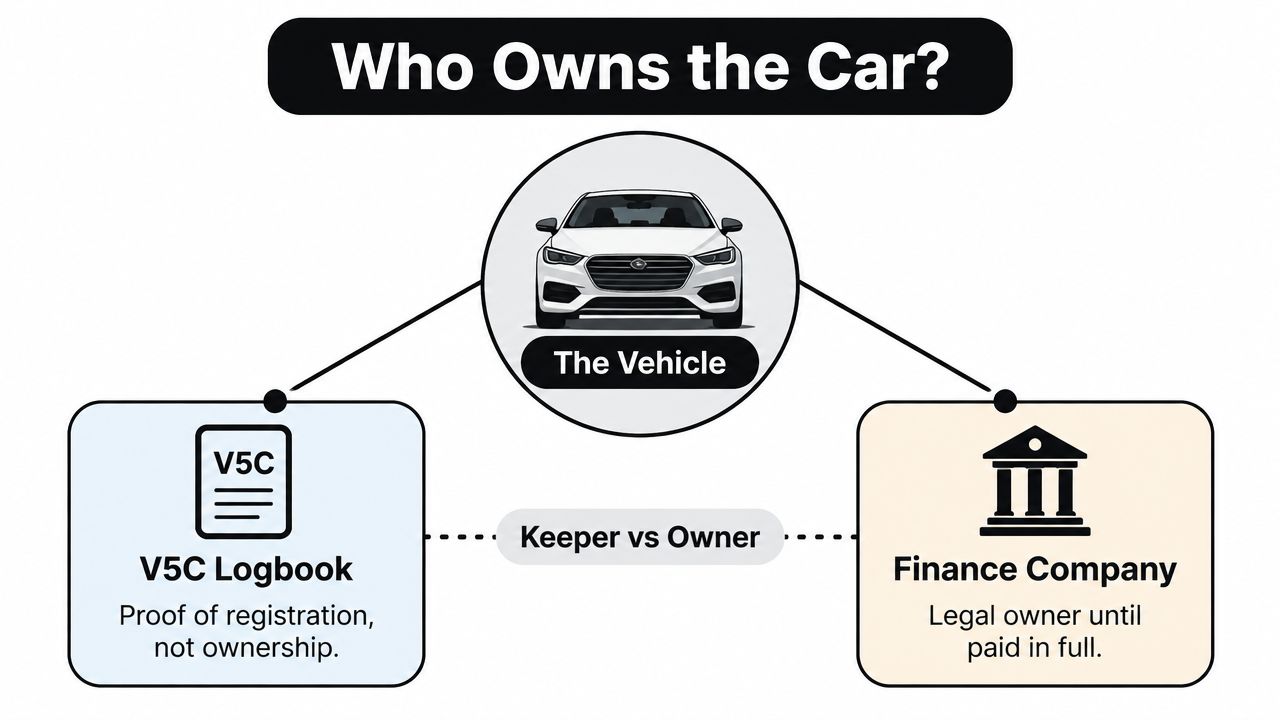
That means you can’t treat the car as an ordinary asset while finance remains outstanding. Selling it without dealing with the lender can be illegal, and a buyer who pays you could still face the finance company reclaiming the vehicle. Before advertising the car, use a guide to checking whether a car has outstanding finance and contact your lender directly.
The lawful transaction sequence
The clean process is straightforward:
- Request a settlement figure. Ask the finance company for the exact amount required to clear the agreement on a specified date.
- Obtain a sale or scrap valuation. Establish what a dealer, private buyer, salvage purchaser, or authorised scrap facility will pay.
- Compare the two figures. This reveals whether you have equity or a shortfall.
- Agree how the lender will be paid. A professional buyer may settle the finance directly, while a private sale usually requires you to arrange payment carefully.
- Wait for written confirmation. Don’t assume that making the final payment means the account is already reconciled.
- Transfer or dispose of the vehicle only once the finance is cleared.
The lender’s confirmation matters because administrative systems can lag behind payments. A customer may believe the last instalment has been paid, while the finance company still shows an outstanding balance or has yet to reconcile the account.
Settlement is different from voluntary termination
A full settlement pays the agreement off and allows legal ownership to pass cleanly. Voluntary termination is a different route available in certain HP and PCP situations. UK guidance says you can usually use it after paying at least 50% of the total amount payable, including the PCP balloon payment, provided the vehicle is returned in reasonable condition. The relevant consumer guidance is set out by MoneyHelper’s advice on unaffordable car payments.
Voluntary termination isn’t a way to sell the car for yourself. It ends the agreement by returning the vehicle under the applicable rules. If your aim is to sell, part-exchange, or scrap the car and pass ownership to someone else, you need the lender’s settlement process, not an informal handover.
Calculating Your Equity Position and Settlement Figure
Don’t request a scrap quote or accept a dealer offer until you know the settlement figure. The lender calculates this amount for a particular date, usually using the remaining balance, applicable charges, and an interest rebate where relevant. The explanation of how UK settlement figures work is covered in guidance on outstanding finance when selling a car.
Ask the finance company for the figure in writing. Lenders typically must provide a settlement letter within 12 days, according to UK guidance on selling a financed car. Don’t rely on the balance shown in an app or add up the remaining monthly payments yourself. A PCP agreement can include a deferred balloon payment, and an early settlement may include an interest adjustment that changes the amount due.
The expiry date is an administrative trap
Settlement figures are date-specific. Industry guidance says a figure is typically valid for 10 days, while some finance companies issue figures that are live for 7 days, so check the exact expiry date printed on your letter. The seller experience described by Scrap A Vehicle is practical here: contact the lender before arranging collection because a figure may need to be requoted if the payment date passes or interest changes.
A quote from a vehicle buyer has its own validity period as well. Scrap A Vehicle states that its quote is guaranteed for 7 days, which can help protect the agreed vehicle price while finance paperwork is being processed. That guarantee doesn’t replace lender confirmation, and it doesn’t remove a shortfall, but it can prevent the vehicle valuation from changing during a short administrative delay.
Practical rule: Treat the settlement figure and the vehicle offer as two separate clocks. Make sure both remain valid on the day the lender is paid.
Positive and negative equity
Your equity position is simple:
- Positive equity: the sale price is higher than the settlement figure. The difference can be paid to you or used towards another vehicle.
- Negative equity: the settlement figure is higher than the sale price. You must cover the gap before the finance can be cleared.
- Equal figures: the sale proceeds cover the lender, leaving no surplus and no immediate shortfall.
For example, suppose a buyer offers £6,000 and your settlement figure is £4,500. After the finance is paid, the remaining £1,500 represents positive equity, subject to any agreed transaction costs. If the vehicle offer is £4,500 but the settlement figure is £6,000, you have a £1,500 shortfall to fund or negotiate.
Don’t confuse a final monthly payment with a zero balance. An administrative delay, a fee, or a remaining deferred amount can keep the account open. Get the lender to confirm that the balance is cleared before treating the vehicle as yours to transfer.
The UK market is closely connected to motor finance. In 2024, over 2 million cars were bought with motor finance at the point of sale, around 6.4 million motor finance agreements were outstanding, and consumers borrowed about £39.0 billion through regulated motor finance, as reported in UK guidance on selling a financed car. That volume makes settlement administration a routine issue, not an unusual complication.
Choosing Between Private Sale Dealer Trade and Scrapping
Your exit route changes the practical risk, but it doesn’t change the ownership rule. A private buyer, dealer, and scrap yard all need a clear route to settle the finance before the vehicle can be transferred or dismantled.
A private sale can produce a strong price for a clean, roadworthy car, but it puts the paperwork on you. You must explain the finance position, agree how the sale proceeds will reach the lender, and avoid handing over the car on the promise that the debt will be cleared later. Failing to disclose outstanding finance to a buyer is illegal, so don’t describe the vehicle as finance-free until the lender has confirmed it.
A dealer sale or part-exchange is usually more manageable because the dealer can contact the finance provider and pay the settlement figure directly. Positive equity may reduce the cost of your next vehicle. Negative equity may be included in a replacement finance arrangement, but that merely moves the shortfall into new borrowing. I wouldn’t roll negative equity into another agreement without first considering whether continuing the existing contract is financially safer.
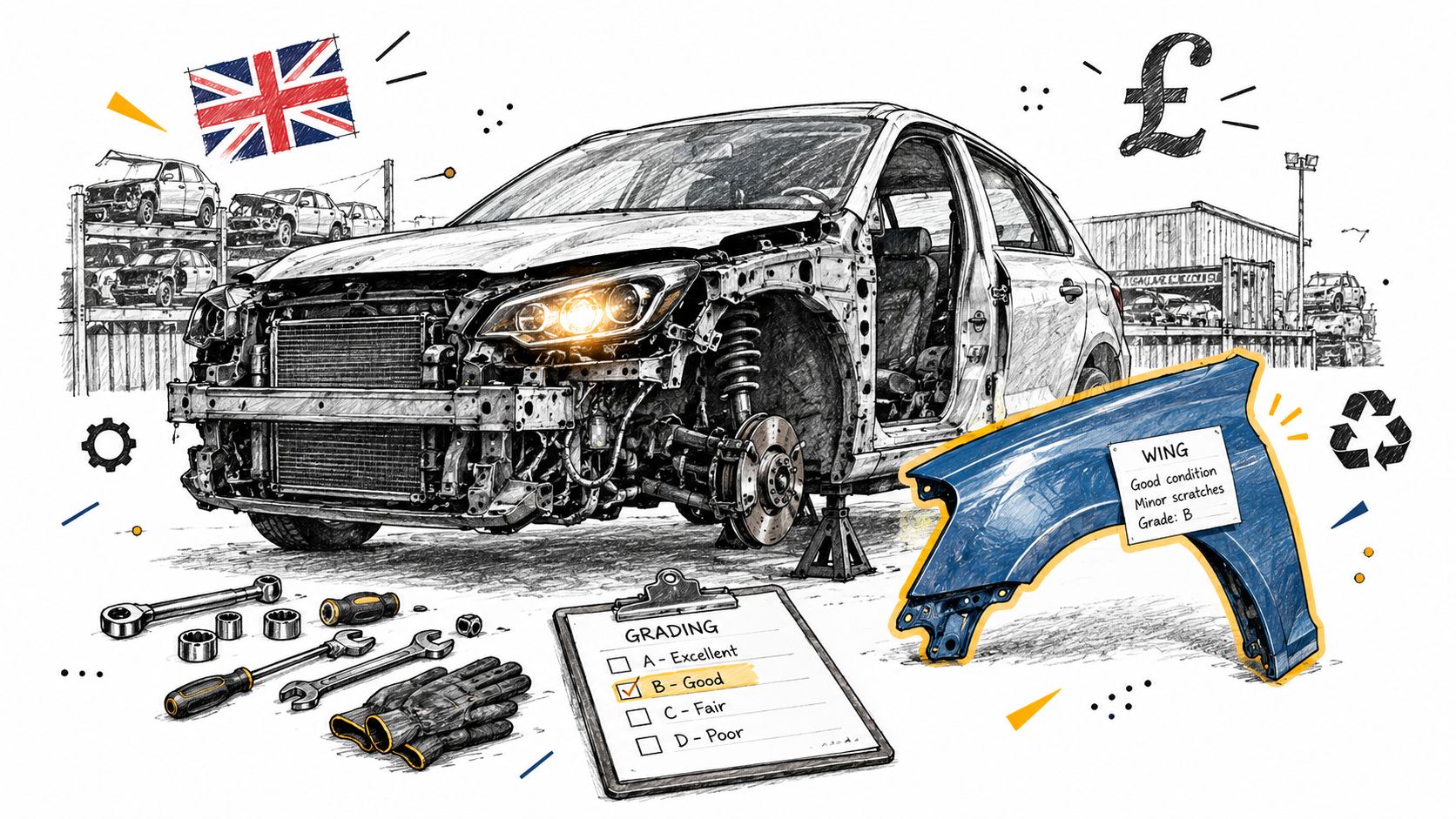
Scrapping is different again. If the car is a non-runner, MOT failure, accident-damaged vehicle, or end-of-life vehicle, a specialist purchaser may value its salvageable components rather than treating it only as scrap metal. The finance still needs to be cleared, and collection should not be booked on the assumption that the car can be destroyed while the lender retains title.
How the main routes compare
| Selling Method | Finance Handling | Best For |
|---|---|---|
| Private sale | You arrange settlement and provide proof that the lender has cleared the balance before ownership passes | Roadworthy cars with positive equity and sellers prepared to manage the paperwork |
| Dealer trade or part-exchange | The dealer may settle the lender directly and account for any equity or shortfall in the transaction | Owners who want one organisation to coordinate valuation, settlement, and replacement |
| Scrapping or salvage | The purchaser may handle the finance administration, subject to a valid settlement figure and an agreed process for any shortfall | Damaged, failed-MOT, non-running, or end-of-life cars |
The mechanics of scrapping a financed car
If you want to scrap a financed car, start by telling the purchaser about the finance. The first question a responsible vehicle buyer should ask is whether there is outstanding finance and whether you have a current settlement figure. Hiding it creates a title problem for everyone.
Scrap A Vehicle can compare prices from UK scrap yards and purchase roadworthy or damaged vehicles for scrap and salvage. Where agreed, it may settle the finance on the customer’s behalf, although an administration charge may apply and collection may be delayed until the finance has cleared. Its quote is guaranteed for 7 days, which gives the seller a defined window while the lender processes the paperwork.
The vehicle value itself doesn’t automatically increase because finance is outstanding. The offer reflects the car’s condition and market value. The finance is a separate liability, so any difference between the offer and the settlement figure remains the seller’s responsibility unless the purchaser agrees another arrangement.
Handling Insurance Write-Offs and Accident Damage
A written-off car doesn’t make the finance disappear. If the vehicle is damaged in an accident and the insurer declares it a total loss, the insurer normally values the car immediately before the incident and pays the finance company first when finance remains outstanding. This position is illustrated in a Financial Ombudsman decision about an insurance payout and outstanding vehicle finance.
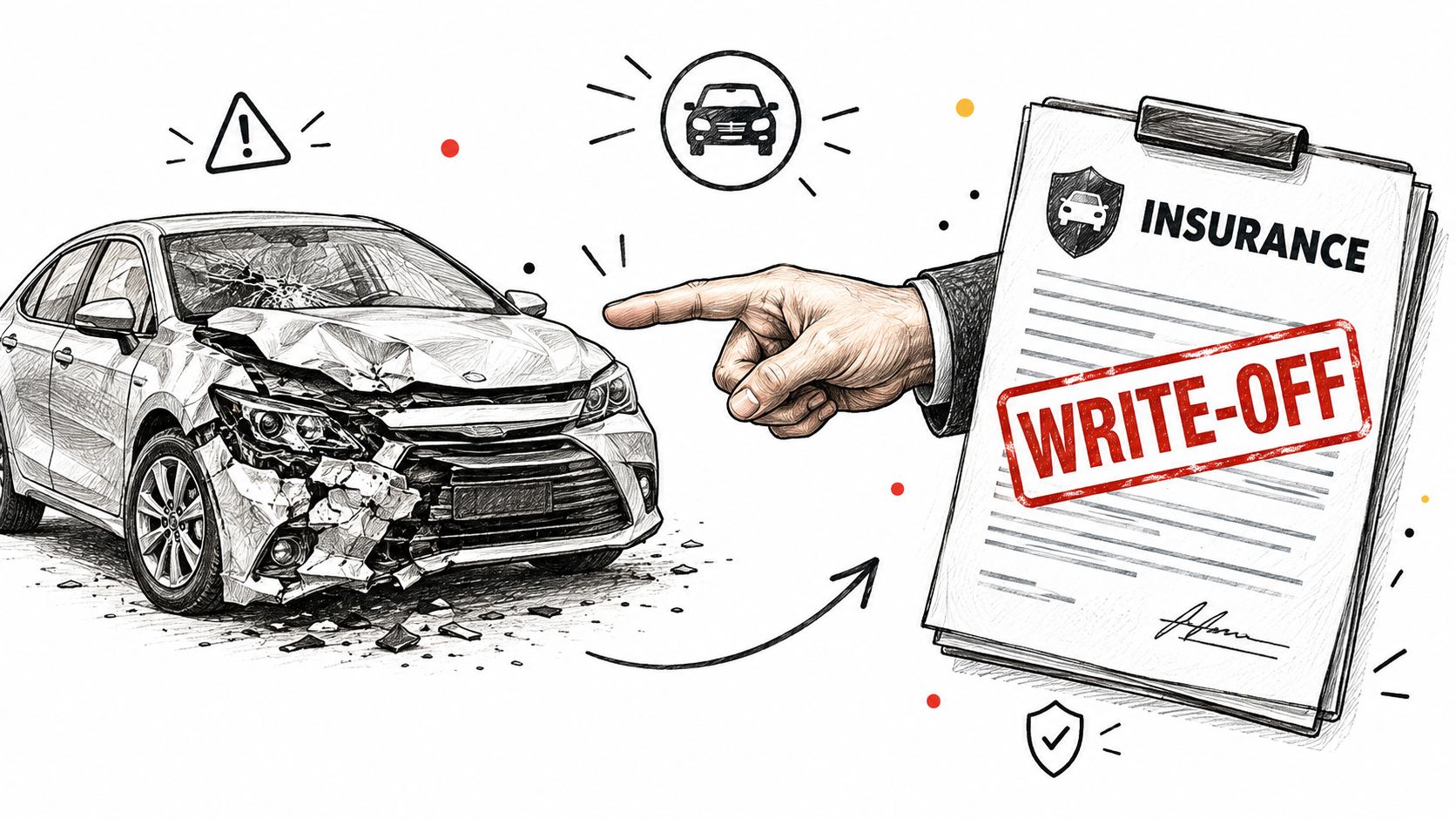
The common assumption is that the insurer will pay off the loan and return any extra money to you. That only happens if the pre-accident valuation covers the settlement figure. If the insurer’s valuation is lower, the entire payout may go towards the lender and you can still owe the remaining balance for a car you no longer have.
Why the shortfall occurs
The lender’s figure reflects the debt under the agreement. The insurer’s payment reflects the vehicle’s pre-accident market value. Those amounts can diverge, particularly when the agreement includes a deferred PCP payment, when the car has depreciated quickly, or when the finance was settled early in the contract.
The sequence typically looks like this:
- The insurer assesses the damage and declares the vehicle a write-off.
- The insurer calculates the pre-accident market value.
- The finance company confirms the outstanding settlement figure.
- The insurer pays the finance company up to the amount of the claim.
- Any remaining difference becomes a liability for the customer unless another policy covers it.
GAP insurance may be relevant to some owners, but you should check the wording of your own policy rather than assume it covers every finance shortfall. Don’t sign off the claim just because the vehicle has been declared a total loss. Ask for the valuation, compare it with the settlement figure, and challenge an inaccurate valuation promptly.
Salvage can change the outcome
A specialist salvage purchaser may offer a different route, particularly where the damaged vehicle retains usable parts or repairable value. Scrap A Vehicle says it can compare prices from UK scrap yards and may offer a salvage value that helps bridge a shortfall, or in some cases exceed the insurer’s salvage value. That offer still needs to be compared with the lender’s figure and the insurer’s proposed settlement.
The important point is timing. Tell the insurer and finance company what you intend to do before arranging collection or salvage disposal. The finance provider retains the legal interest until settlement, and a damaged vehicle can’t be treated as freely disposable because it is no longer roadworthy.
Executing the Final Handover and Paperwork
The handover should follow a fixed order. Most disputes arise when someone transfers the car first and tries to repair the paperwork afterwards. Keep the transaction controlled from the first payment instruction to the final DVLA notification.
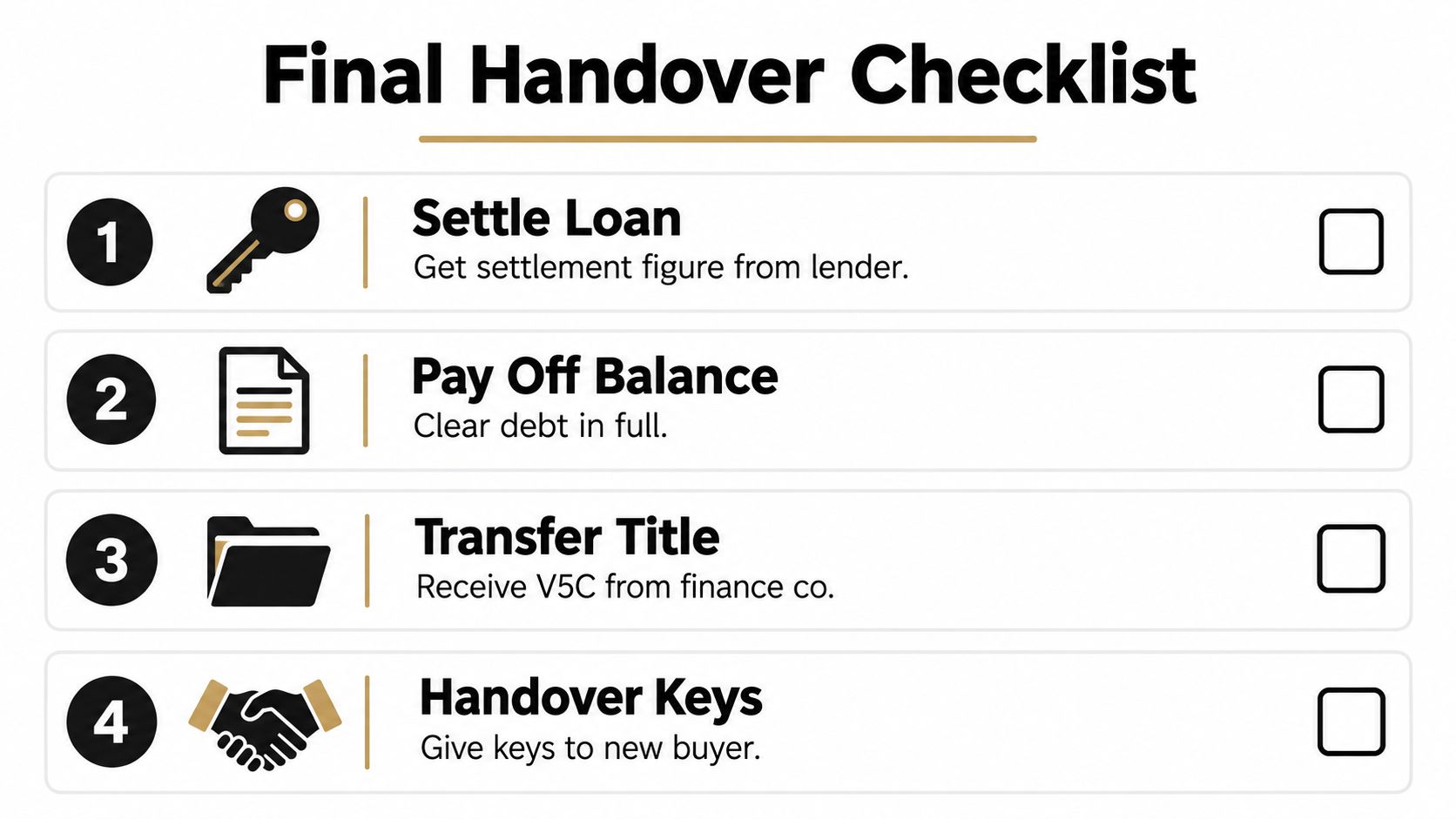
Use this handover sequence
- Confirm the buyer. Check the company identity, payment details, collection arrangements, and exactly who will settle the finance.
- Send the settlement figure securely. Provide the current lender document and make sure the expiry date matches the planned payment.
- Confirm the payment route. If the purchaser pays the lender directly, obtain evidence of the payment. If you pay, keep the bank confirmation and lender reference.
- Wait for written clearance. Don’t rely on a text message saying the payment has been received. Ask the lender to confirm the account has a zero balance and the finance interest has been removed.
- Complete the V5C process. Only after clearance should ownership or keeper details be dealt with as part of the sale. The V5C isn’t proof of ownership, but accurate DVLA information protects you from later tax, penalty, and liability problems.
- Hand over the vehicle. Give the keys, relevant documents, and collection details only when the payment and finance arrangements are confirmed.
A private buyer should never be asked to trust an informal promise that you’ll settle the finance later. If the buyer pays you but the lender remains unpaid, the buyer can face serious problems and you may still be unable to transfer clean title.
Scrapping requires disposal evidence
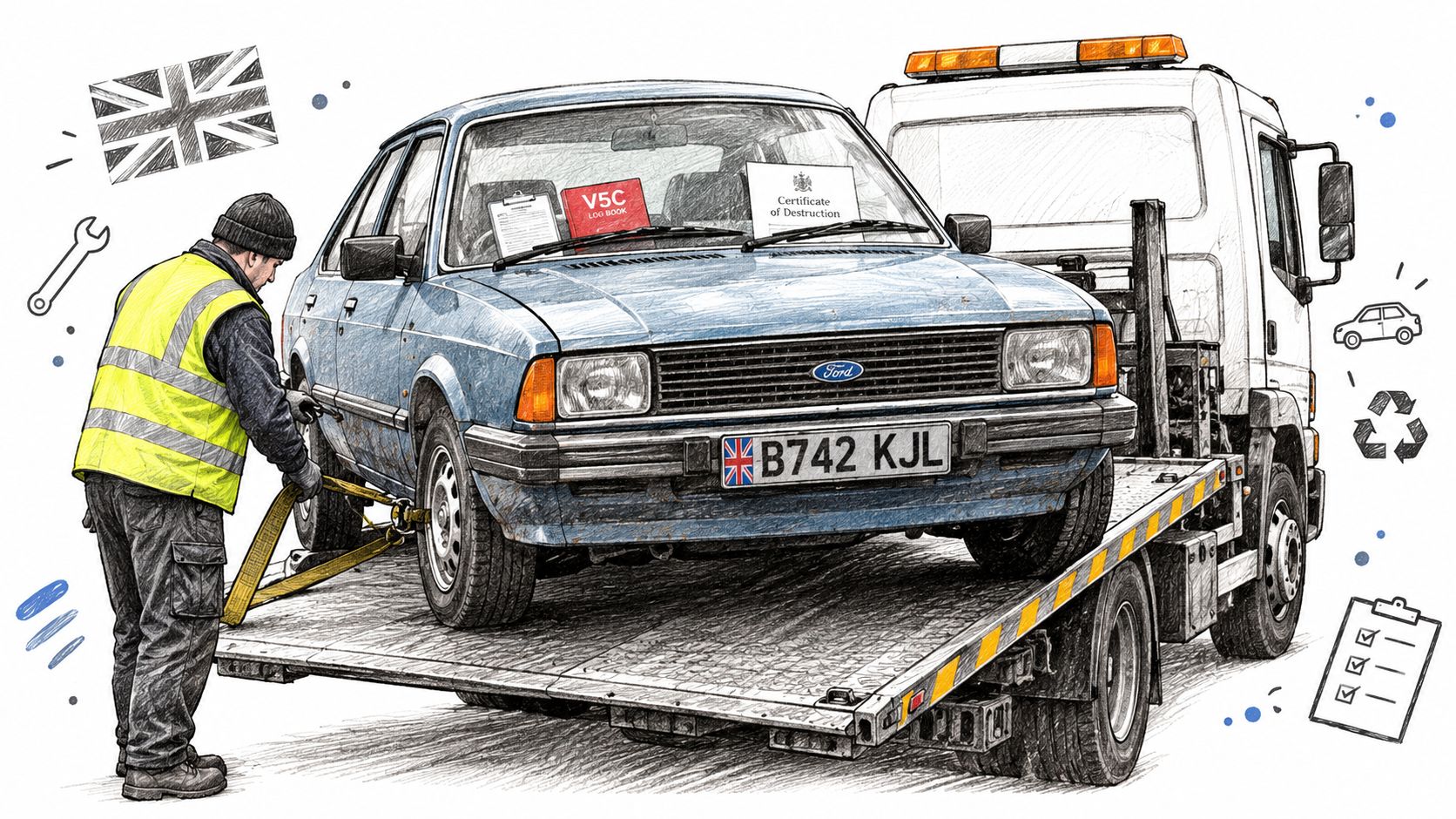
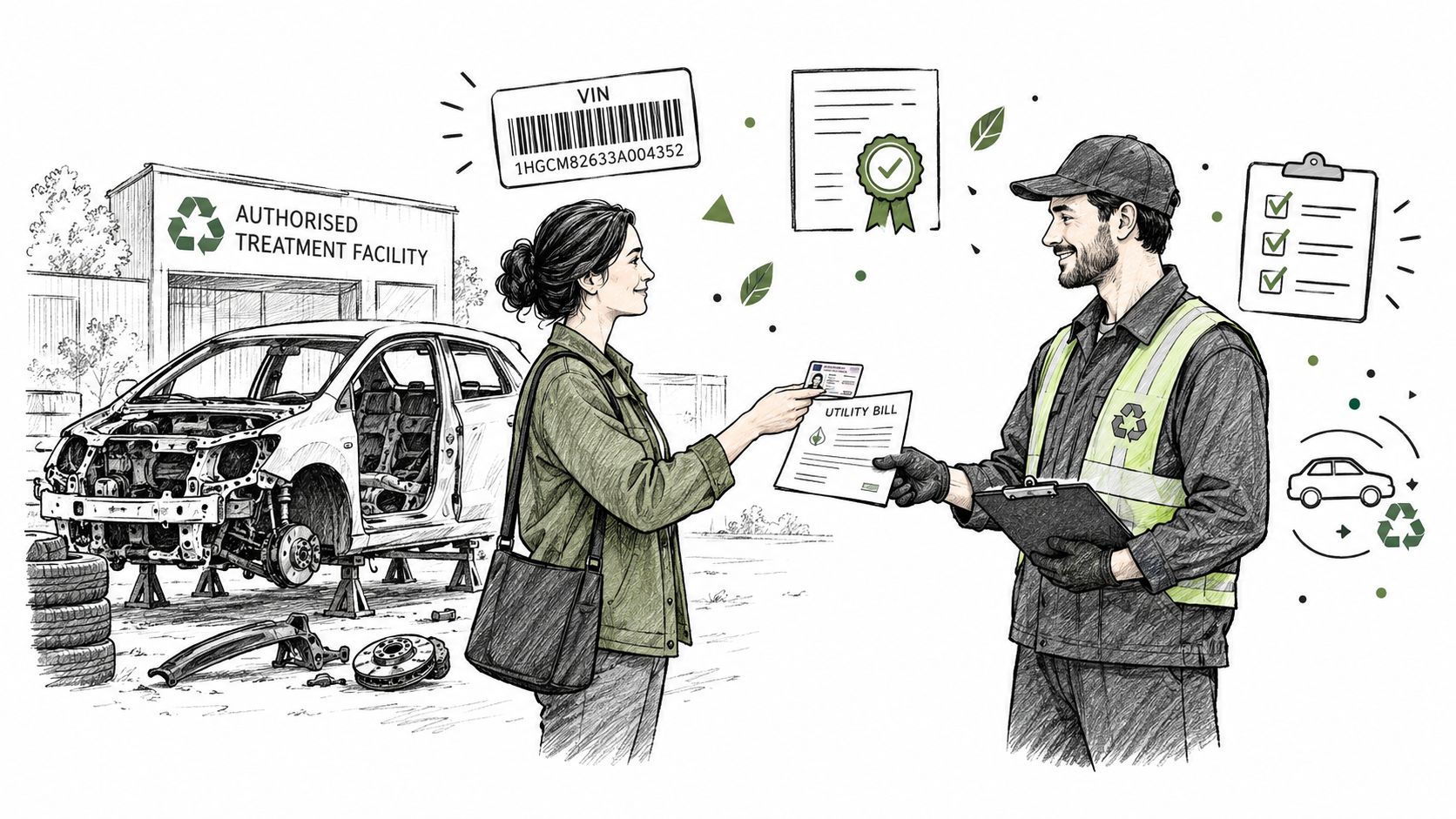
For a vehicle sent to an Authorised Treatment Facility, keep the collection receipt and any confirmation of disposal. Where the vehicle is destroyed and meets the applicable conditions, the operator should issue a Certificate of Destruction and manage the required DVLA notification. Don’t assume that handing the car to a transporter automatically ends your responsibility.
Professional buyers can also help with V5C updates and finance administration, but you remain responsible for checking that the lender has cleared its interest. Retain the settlement letter, payment evidence, buyer receipt, collection record, and disposal certificate in one file.
Never release the car on a promise. Release it after the money trail and ownership trail both make sense.
If a lender says the balance is still open after collection, contact the purchaser immediately and send the written evidence. If a buyer refuses to disclose where the finance payment went, treat that as a warning sign and don’t allow the vehicle to leave.
Evaluating Your Best Exit Strategy
Your decision comes down to three facts: the settlement figure, the achievable vehicle value, and the car’s condition. Urgency matters, but rushing before those facts are clear is how owners end up funding avoidable losses.
| Your position | Sensible next move |
|---|---|
| Sale value exceeds settlement figure | Obtain a written lender figure, choose the route offering the strongest net price, and keep the surplus after settlement |
| Sale value is below settlement figure | Ask how the shortfall will be funded, compare dealer and salvage offers, and consider continuing the agreement if payments remain affordable |
| The car is damaged or written off | Compare the insurer’s valuation, settlement figure, and specialist salvage offer before accepting disposal |
| The final payment has just been made | Wait for lender reconciliation and written confirmation rather than assuming the account is closed |
| The settlement figure or buyer quote is expiring | Request updated figures immediately and don’t arrange handover against an out-of-date amount |
For a roadworthy car in positive equity, a private sale may maximise the return, while a dealer route can reduce administration. For negative equity, the cheapest answer may be to keep the agreement running rather than create a new debt. For a failed-MOT or damaged vehicle, a compliant salvage or recycling purchaser can simplify collection, but only after the finance position has been disclosed and agreed.
Contact the finance company before advertising, obtain the written settlement figure, and ask how long it remains valid. Then get a realistic valuation from more than one route. The right decision is the one that clears the lender, documents the handover, and leaves you knowing exactly what you still owe or receive.
Scrap A Vehicle compares prices from UK scrap yards for roadworthy, damaged, non-running, and end-of-life vehicles, and can discuss settling outstanding finance as part of the sale process. Visit Scrap A Vehicle for a quote, tell the team about the finance before arranging collection, and confirm the settlement plan before handing over the keys.