You’ve heard the phrase, maybe seen an old advert, and now you’re wondering whether a car scrappage scheme can hand you money off a new car or cash for the old one sitting on your drive. The honest 2026 answer is that schemes still exist, but they’re narrower than people expect, and a few of the things drivers assume simply aren’t true. This guide lays out exactly what’s available this year, who actually qualifies, and how to make sure you come out ahead.
Is there a government car scrappage scheme in 2026?
No. As of 2026, the UK has no nationwide, government-backed car scrappage scheme. The one most people remember launched back in 2009, when the government put £1,000 towards a new car if you scrapped one over ten years old that you had owned for at least a year, with the dealer matching it for £2,000 off. That ran for about a year to prop up car sales after the financial crisis, then ended after roughly a year on the road.
A bigger national scheme was floated later as part of a clean-air plan, with talk of several thousand pounds towards an electric car, but it was dropped before it ever launched. So while the idea resurfaces from time to time, and the odd headline hints at a comeback, there is no central scheme paying drivers to scrap today. The schemes that do exist now come from two places, car manufacturers and local councils, and we will go through both.
Does the DVLA run a scrappage scheme?
This one trips a lot of people up. The DVLA does not run a scrappage scheme and never has. It is easy to see why the search comes up, since the DVLA is the body you deal with when a car leaves the road, but its role is administrative rather than financial.
When you scrap a car, the DVLA records that it has been taken off the road and handled by a licensed yard, and it issues any road tax refund you’re owed for the full months remaining. That refund is real money back in your pocket, but it is not a grant or a reward for scrapping. The payment for the car itself comes from the scrap buyer, not the DVLA. Our guide on how to notify the DVLA your car has been scrapped walks through that side of things.
Manufacturer scrappage schemes
This is the most common type you will come across. A manufacturer scrappage scheme is really an enhanced trade-in, where a car brand gives you a fixed discount on a brand-new model when you scrap an older one. The appeal is a guaranteed, often above-market figure for the old car, with the paperwork handled for you.
Brands including Renault, Volkswagen, Hyundai and Toyota have all run these deals in recent months. The savings have typically landed somewhere between £750 and £3,000 depending on the car. They come with conditions, though. You normally have to buy a new car from that same manufacturer, the old car has to meet an age rule, often registered before a set date, and you usually need to have owned it for a minimum period. The big thing to remember is that these offers come and go constantly, so anything you read can be out of date within weeks. Always check the manufacturer’s own website for what’s live right now. It is also worth asking whether the discount truly beats the old car’s market value, because a deal that merely matches what the car is worth anyway is not really a saving at all.
How much is a scrappage allowance?
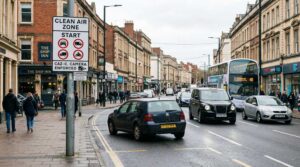
There is no single figure, because the allowance depends entirely on which scheme you use. With a manufacturer deal, the discount has recently tended to sit between £750 and £3,000 off a new car, varying by model and brand, and vans sometimes attract larger allowances than cars. Clean-air zone grants run to their own scales, and have in some areas been worth up to a few thousand pounds, occasionally topped up with travel credit rather than paid purely as cash.
Back in 2009 the figure was a flat £2,000, half from the government and half from the dealer, but nothing today is set centrally like that. Every current allowance is fixed by the manufacturer or council running it, and each decides its own amount and conditions, so the only way to know your number is to check that specific scheme. Treat any figure quoted elsewhere as a rough guide rather than a promise.
Clean-air zone scrappage schemes
The second type is run by local authorities to clean up city air, rather than to sell cars. These are tied to clean-air zones, and the goal is to take older, higher-emission vehicles off the road in a particular area. They are funded from a fixed pot, handed out first-come-first-served, and they close the moment the money runs out. That means a scheme advertised one month may be fully subscribed the next, so timing matters as much as eligibility.
London ran a large scrappage scheme alongside its Ultra Low Emission Zone, aimed at drivers and small businesses with non-compliant vehicles. Birmingham’s Clean Air Zone has offered grants too, worth up to a few thousand pounds in some cases, sometimes split between a cash payment and travel credit. Scotland has piloted its own low-emission and mobility fund as well. To qualify for schemes like these you generally need a vehicle that would have to pay the zone’s charge, you have to live or work in the area, and you must have been the registered keeper for a qualifying period. Because the rules, the funding and the closing dates change so often, the only reliable move is to check directly with the relevant council or transport authority. You can confirm where the zones are and whether your car is affected on the GOV.UK clean air zones service.
How to use a car scrappage scheme
If you’ve found a scheme that fits, the process is fairly painless. With a manufacturer deal, you start by checking the brand’s current offer and the eligibility rules, then confirm your old car qualifies on age and ownership. You choose your new car, and the dealer applies the scrappage discount to the price. The dealer also arranges for your old car to be scrapped properly at a licensed treatment facility, so that part is taken off your hands.
A clean-air zone scheme works a little differently, because it is run by the council rather than a showroom. You apply through the local authority, prove your vehicle is non-compliant and that you live or work in the zone, and wait for approval before doing anything with the car. The grant is then paid to you, sometimes as cash and sometimes part as travel credit, once the vehicle has been scrapped through an approved route. In both cases, keep every document, since you will need proof the car was scrapped legally before the money is released.
Is there a diesel scrappage scheme?
Not as a standalone offer right now. Several manufacturers ran diesel-specific scrappage schemes in the mid-2010s, in the wake of the emissions scandal, to coax older diesels off the road, but those have long since closed. There is no dedicated national diesel scrappage scheme in 2026, and no sign of one returning despite the steady drop in diesel values.
That said, an older diesel is exactly the kind of vehicle the clean-air schemes target, since it’s the most likely to fall foul of emissions limits. So if you drive a non-compliant diesel and live in a qualifying area, a clean-air scheme may still apply, and some manufacturer trade-in deals accept diesels too. If neither fits, the diesel still holds plenty of scrap value in its metal and parts, which our guide on how to scrap a van touches on for larger diesels.
Are scrappage schemes worth it?
Sometimes, but only in the right circumstances, and it pays to do the sums first. A scrappage scheme is only useful if you’re actually buying a new car, in the case of a manufacturer deal, or you live in a clean-air zone with a non-compliant vehicle. It is not free money for any old car, and that is the misunderstanding that catches people out. Plenty of drivers chase a scheme only to find their car does not qualify, or that the saving is thinner than the headline suggested.
Even when one fits, compare the scrappage discount against what you would get by simply selling or scrapping the car on its own. A “fixed above-market value” can be less generous than it sounds. You are committed to buying a brand-new car at full list price, and a newer car may cost more to insure. Run the numbers both ways. If the scheme clearly beats selling the car and scrapping it separately, take it. One quick test is to get a free scrap or sale valuation for the old car first, then treat the scrappage discount as worth taking only if it comfortably exceeds that figure. If not, you may be better off pocketing the scrap value and buying your next car however you like.
No scheme fits? Get guaranteed value for your car now
If you’re not buying a new car, or no scheme covers your area, your old motor still has worth. A scrap car service gives you a guaranteed price based on the vehicle’s weight and parts, collects it for free, pays you by bank transfer, and handles the DVLA paperwork and your Certificate of Destruction. There is no waiting for a funding pot and no obligation to buy anything. For a car that has simply reached the end of the road, it is usually the quickest and cleanest way to turn it into money, with no strings attached.
When you’re ready, you can check what your car is worth in under a minute, get an instant online quote, and book free collection anywhere in England, Wales and Scotland. Our guide on how much you get for scrapping a car explains what shapes the figure, and if it is the payment side you are weighing up, our guide on how to scrap your car for cash covers how you actually get paid. You can also confirm any scrapyard is licensed on the GOV.UK scrap your vehicle service.
Frequently asked questions about car scrappage schemes
Is there a government car scrappage scheme in 2026?
No. There is no nationwide, government-backed scrappage scheme in the UK in 2026. The well-known one ran in 2009 and ended after about a year. Today’s schemes are run either by car manufacturers or by local councils tackling air quality in specific zones.
Does the DVLA run a scrappage scheme?
No. The DVLA does not pay you to scrap a car. Its role is to record that the vehicle has been taken off the road and to issue any road tax refund for the full months left. Payment for the car comes from the scrap buyer, not the DVLA.
Which manufacturers offer a scrappage scheme?
It changes often. Brands such as Renault, Volkswagen, Hyundai and Toyota have run scrappage deals recently, usually worth around £750 to £3,000 off a new car. Because offers start and end without much notice, always check the manufacturer’s website for what is live now.
Is there a diesel scrappage scheme?
There is no standalone diesel scrappage scheme in 2026. The diesel-specific schemes from the mid-2010s have closed. However, an older non-compliant diesel may qualify for a local clean-air zone scheme, and some manufacturer trade-in deals still accept diesels.
Are car scrappage schemes worth it?
Only if you are buying a new car or live in a qualifying clean-air zone. Always compare the discount with simply selling or scrapping the car on its own, since the headline figure can be less generous once you account for buying a new car at full price.