The dull metal box bolted to your exhaust holds some of the rarest metals on earth, which is why it’s worth real money and why thieves keep targeting them. If you’re trying to pin down the catalytic converter scrap value for your car, the honest answer is that it depends on the metals inside and the day you sell. This guide explains what a scrap cat is worth in the UK in 2026, why some are worth ten times others, how buyers actually price them, and how to sell yours without falling foul of the law.
How much is a catalytic converter worth for scrap?
Most catalytic converters in the UK are worth somewhere between £50 and £400 as scrap in 2026, with plenty sitting higher. Premium units, large engines and hybrids can reach £800 or more, and a handful of sought-after converters change hands for four figures on the resale market. At the other end, a cheap aftermarket cat might only fetch a few pounds.
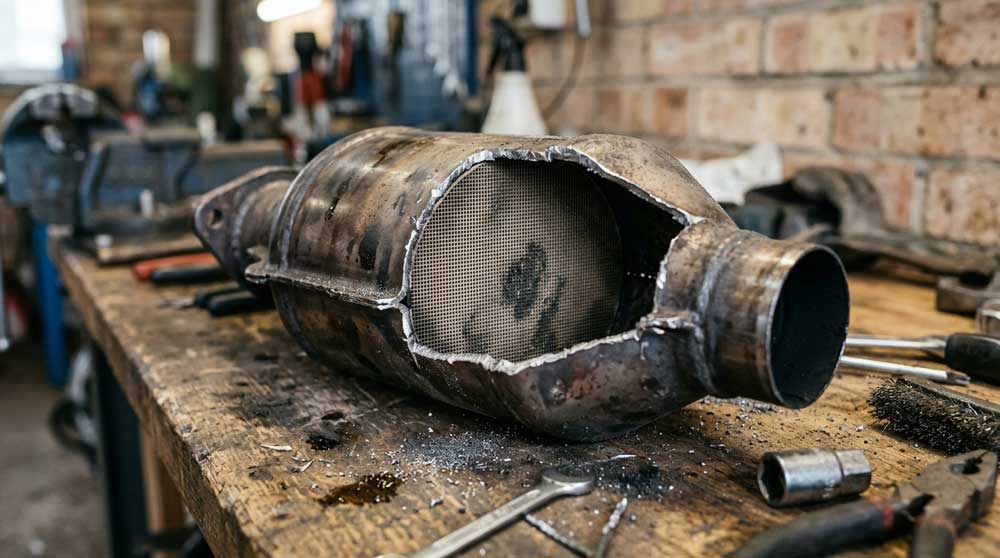
That spread looks wild until you understand where the value sits. It isn’t in the steel casing, which is worth very little. It’s in the ceramic honeycomb inside, coated with precious metals that do the work of cleaning your exhaust gases. Two converters can look identical from the outside and contain very different amounts of those metals, so the figure always comes down to the specific unit rather than its size or weight.
Why catalytic converters are so valuable
Three precious metals create almost all the value, and all three are rarer than gold. Platinum, palladium and rhodium sit on the honeycomb as catalysts, turning harmful exhaust gases into less harmful ones, and a standard converter holds only a few grams of them in total. Tiny quantities, enormous value.
Rhodium is the headline act. It’s the most valuable of the three by a distance and famously volatile, having traded in the thousands of pounds per ounce and spiked to record levels around 2021. Platinum and palladium are worth less per ounce but still command serious money, and the exact mix inside your cat depends on what your engine needs. Because all three trade on global markets that move every day, the value of the same converter can shift noticeably from week to week.
Supply plays its part as well. Most of the world’s platinum group metals come from a small number of mines, many of them in South Africa, so any disruption to that supply tends to push prices up. Over the longer term, the switch to fully electric cars, which have no exhaust and no converter at all, may soften demand, but for now these metals stay valuable and tightly traded.
What affects your cat’s scrap value

A few things decide where your converter lands in that range. Knowing them helps you judge whether an offer is fair.
- Make, model and engine. Some cars simply carry richer metal loads, and that’s the single biggest factor in the price.
- Fuel type. Petrol cats lean on palladium and rhodium, diesels favour platinum, and hybrids tend to use more of everything.
- OEM or aftermarket. A genuine manufacturer converter holds far more recoverable metal than a cheap replacement, which often contains almost none.
- Condition of the substrate. The ceramic core needs to be intact. If it has shattered inside, which you can sometimes hear as a rattle, the yield drops and so does the offer.
- The metals market. Prices move daily, so timing affects the figure. A cat worth £100 one month might be £160 the next, or the other way round.
None of this can be judged by eye, which is why a proper quote beats any rule of thumb. The only way to know your number is to have the specific converter assessed.
Which cars have the most valuable catalytic converters?
Some models are worth far more than others, and the pattern is no accident. Hybrids top the list, because their petrol engine runs less often, so the converter stays in better condition and holds its precious metals well. That’s exactly why hybrids dominate the theft figures too.
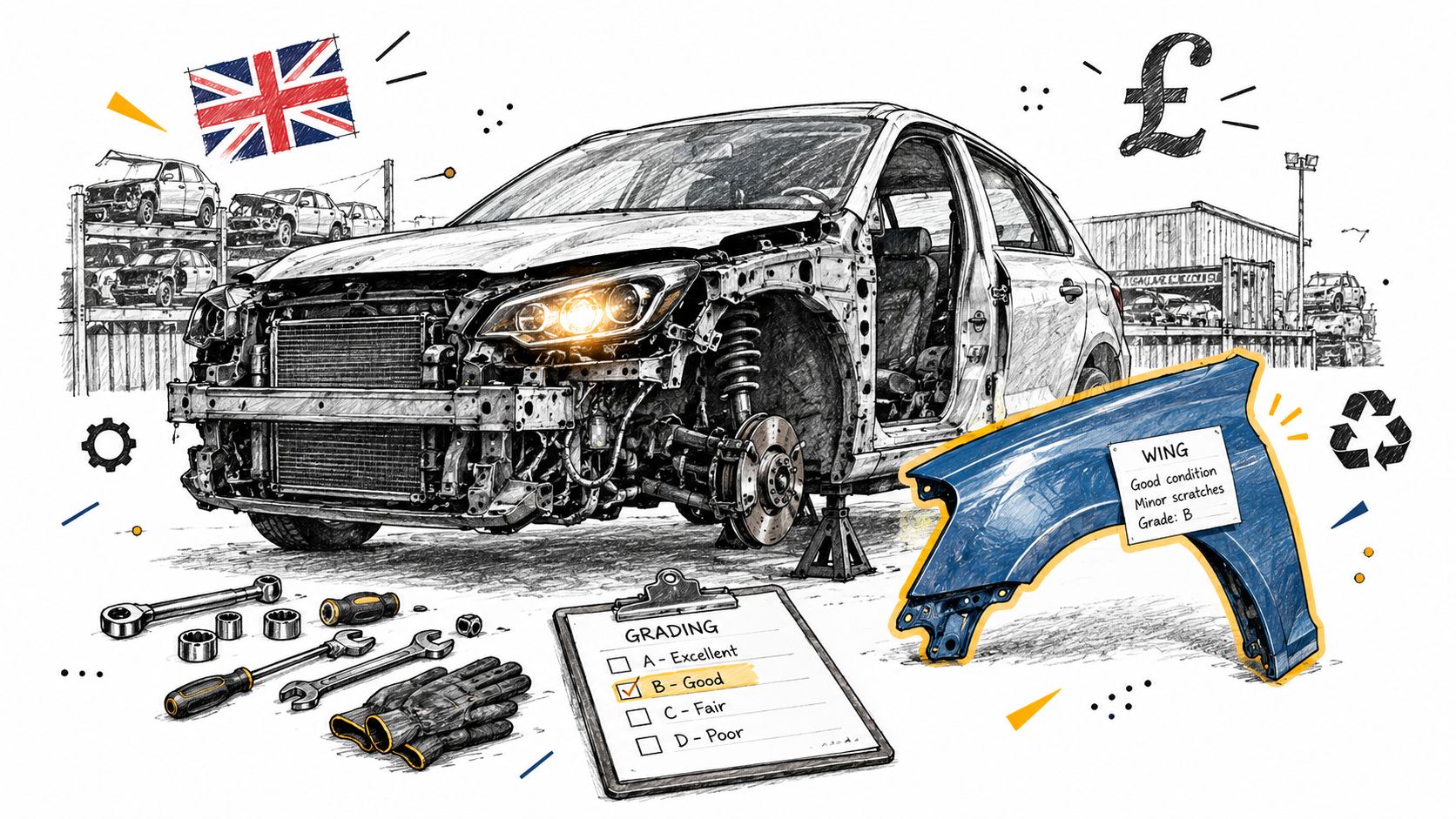
Cars like the Toyota Prius and Auris are classic examples, along with the Honda Jazz, whose converter value can sometimes exceed the resale value of the whole car. Lexus models such as the RX carry high-value units as well. Beyond hybrids, European luxury cars from BMW, Mercedes and Audi tend to have valuable converters thanks to stricter emissions systems. Larger or performance engines generally hold the richest metal loads of all. If you drive one of these, your cat is a genuine asset worth protecting.
How catalytic converters are priced
This is where catalytic converters differ from most scrap. They aren’t priced by weight, the way copper or aluminium are. Each unit is quoted on its own, based on the precious metals it’s likely to contain, so a small converter from the right car can beat a big one from the wrong one.
Reputable buyers work from the serial number or cat code stamped on the unit, or from clear photos, and match it against the known metal content for that part. That’s why generic price charts can mislead you, and why a quote tied to your exact converter is the only figure worth trusting. Inside the casing, the ceramic biscuit is later crushed and refined to recover the platinum, palladium and rhodium, which then go back into industry, including into new converters.
Do catalytic converter price lists work?
Search for a scrap catalytic converter price list and you’ll find plenty of charts promising a figure for your make and model. Treat them as a rough guide only. A chart can hand you a ballpark, but it can’t account for the exact metal content of your unit, its condition, or where precious-metal prices sit on the day, so the real number often lands some way off the printed one.
A reliable figure comes from a quote against your specific converter. A licensed buyer reads the code stamped on the casing, or works from clear photos, and prices it on the metals it actually holds. It pays to get more than one quote, since buyers differ on what they offer, and if you’re in no rush it can be worth watching the market and selling when rhodium and palladium prices are strong. Either way, having your make, model and engine size to hand gives the buyer what they need to price it quickly.
Diesel converters and DPFs
Diesel vehicles work a little differently. Their converters traditionally favour platinum over palladium, reflecting how a diesel engine burns fuel, so the value balance sits differently from a petrol cat. Many diesels also carry a diesel particulate filter, or DPF, further along the exhaust.
A DPF traps soot, and some types also contain a thin precious-metal coating, which gives them a scrap value of their own. DPFs are bought and priced separately from the catalytic converter, again on a per-unit basis rather than by weight. If you’re scrapping a diesel van or car, it’s worth knowing both parts may carry value, though as always the figure depends on the exact components and the day’s metal prices. Damaged or blocked DPFs are worth less, and like converters they are quoted on the unit rather than by weight.
Catalytic converter theft and the law
That same value, the thing that makes converters worth recycling, also makes them a target. Thefts rose sharply in recent years, with hybrids like the Prius, Auris and Honda Jazz hit hardest, and a thief with a battery angle grinder can be gone in a couple of minutes. A stolen converter leaves the car unroadworthy and the owner facing a costly repair.
If you drive a targeted model, a few simple steps make you a harder target. Park in busy, well-lit spots or a locked garage where you can, and avoid parking half on the kerb, which only makes the underside easier to reach. A physical cat shield or clamp slows a thief down, and marking the converter with forensic liquid or having the serial number etched makes a stolen unit far harder to sell on. None of these stop theft outright, but together they push opportunists towards an easier target.
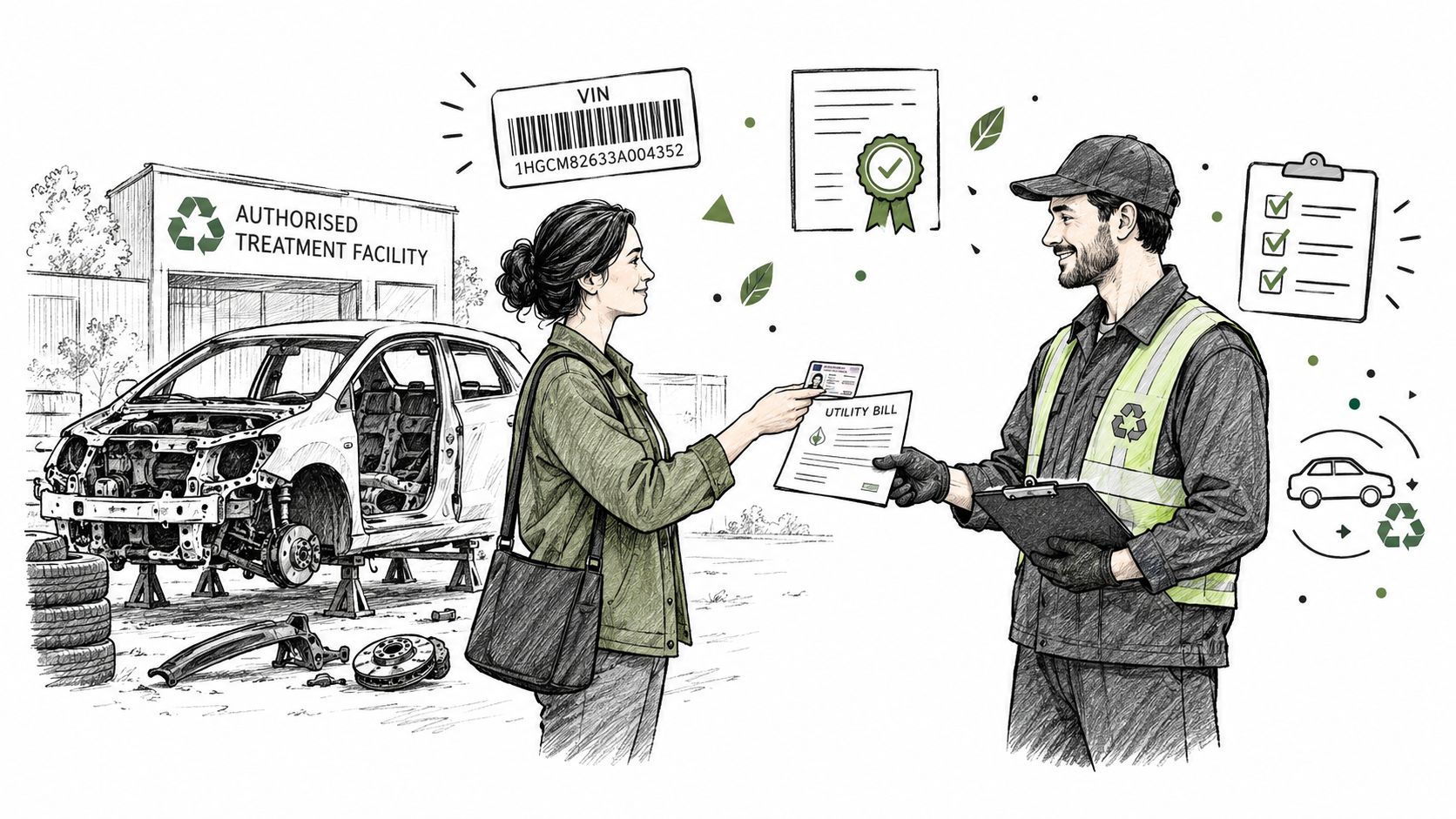
Tighter rules now squeeze the resale side to choke off that trade. Under the Scrap Metal Dealers Act 2013, dealers must verify the seller’s name and address, keep a record of the transaction, and must not pay cash for scrap metal. Anyone who wants cash, refuses to give ID, or won’t say where a converter came from is a clear warning sign. To sell your own converter properly, use a licensed buyer, bring identification, take payment by bank transfer, and keep the receipt. You can read more about converter theft and the rules around it on the Crimestoppers catalytic converter theft page. If yours has been stolen, report it to the police and your insurer rather than trying to source a quick replacement.
Getting the most from your catalytic converter
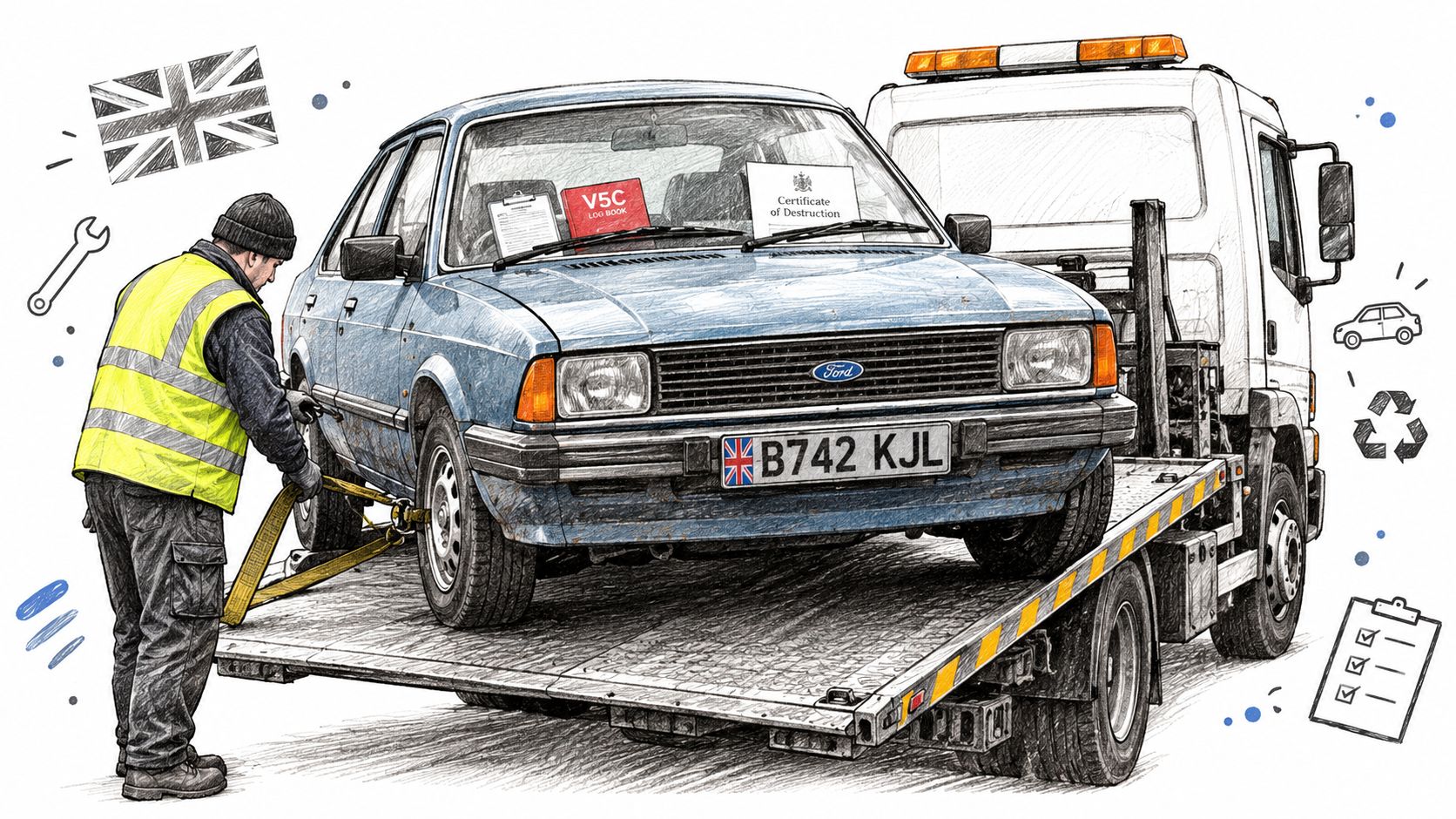
If you’re scrapping the whole car, the smartest move is usually to leave the converter exactly where it is. A scrap buyer prices your car as a complete vehicle, and the value of the cat is already built into that offer. Cutting it out yourself rarely pays, it can drop the price, and a car missing its converter can be harder or even impossible to collect. Always use a licensed Authorised Treatment Facility, which you can confirm on the GOV.UK find a vehicle scrapyard service, so the whole car and its converter are handled legally.
Where a loose converter does make sense to sell on its own is when you’ve had one replaced and kept the genuine original, or you have a unit with no car attached to it. In that case, sell the OEM cat to a licensed buyer who quotes on the code. If you’re weighing up the whole car, you can check what your car is worth for free, get an instant online quote, and arrange free collection across England, Wales and Scotland. Our used car parts service and our guide on how much you get for scrapping a car both help you understand where that value comes from. If it’s a van you’re dealing with, our guide on how to scrap a van covers the diesel and DPF side too.
Frequently asked questions about catalytic converter scrap value
How much is a scrap catalytic converter worth in the UK?
Most are worth between £50 and £400 in 2026, with premium, hybrid and large-engine units reaching £800 or more, and a few rare ones into four figures. Cheap aftermarket converters can be worth only a few pounds, so the figure depends heavily on the exact unit and the metals market.
Which cars have the most valuable catalytic converters?
Hybrids such as the Toyota Prius and Auris and the Honda Jazz tend to top the list, because their converters hold more precious metal and stay in better condition. Lexus models and larger or luxury cars from BMW, Mercedes and Audi also carry high-value units.
Are catalytic converters priced by weight?
No. Unlike copper or aluminium, converters are quoted per unit based on the platinum, palladium and rhodium they contain, usually identified from the cat code or serial number. A small converter from the right car can be worth more than a large one from another.
Is it legal to sell a catalytic converter for scrap?
Yes, as long as it is actually yours. Under the Scrap Metal Dealers Act 2013, a licensed dealer must take your ID, record the transaction and pay by bank transfer rather than cash. Anyone offering cash with no record or no ID check is a warning sign you should avoid.
Should I remove the catalytic converter before scrapping my car?
Usually not. When you scrap the whole car, the converter’s value is already included in the quote, and removing it tends to lower the offer and can make the car harder to collect. Leaving it in place is normally the better move.