Your car has been sitting off the road on a SORN, and now you want to use it again. The good news is simple. There’s no special form to fill in. To tax a SORN car you simply tax it as normal, and that single step cancels the SORN automatically. Here’s the right order to do it in, so you do not end up driving illegally or paying for cover you can’t use yet.
How do you tax a SORN car?
You take a car off SORN by taxing it. There is no separate “un-SORN” button and nothing extra to send the DVLA, because the moment your tax is confirmed the SORN is lifted automatically.
That is the part most people miss. A SORN does not expire on its own and it has no minimum length, so a car can sit declared off the road for a week or ten years. It stays SORN until you tax it, sell it, scrap it or export it, and taxing is what brings it back to life.
What do you need before you tax it?

Three things have to be in place before the car turns a wheel on a public road: valid tax, valid insurance and a valid MOT if the car is over three years old. Sort them in a sensible order and the process is quick.
Get the insurance live first. You will want cover from the moment you drive. Check the MOT is still valid, since a long SORN can easily outlast it. Then tax the car, which clears the SORN and makes all three boxes ticked. To tax online you will need the 11-digit number from your V5C logbook, the reference from a V11 reminder, or the green new keeper slip if you’ve just bought it.
How to tax a SORN car online
Taxing online is the fastest route and it works around the clock. Head to the GOV.UK vehicle tax service, enter your V5C or reminder reference, and confirm the details. The system checks your insurance and MOT in the background, takes the payment, and the SORN drops away the instant the tax goes through.
Both applying for a SORN and taxing again happen instantly when done online, so it makes no difference whether you waited a month or a year. You can pay for the tax annually, every six months, or monthly by Direct Debit, though the shorter options cost a little more across the year.
How to tax it at the Post Office
If you would rather sort it in person, any Post Office branch that handles vehicle tax can do it. Take your V5C logbook, or the green new keeper slip if the car has just changed hands, plus evidence of the MOT and a way to pay on the spot.
Should the logbook be missing, bring a completed V62 application as proof you’ve asked for a replacement, and the branch can still tax the car. Payment is taken there and then, and the SORN is cancelled in the same transaction.
What if the MOT has expired?
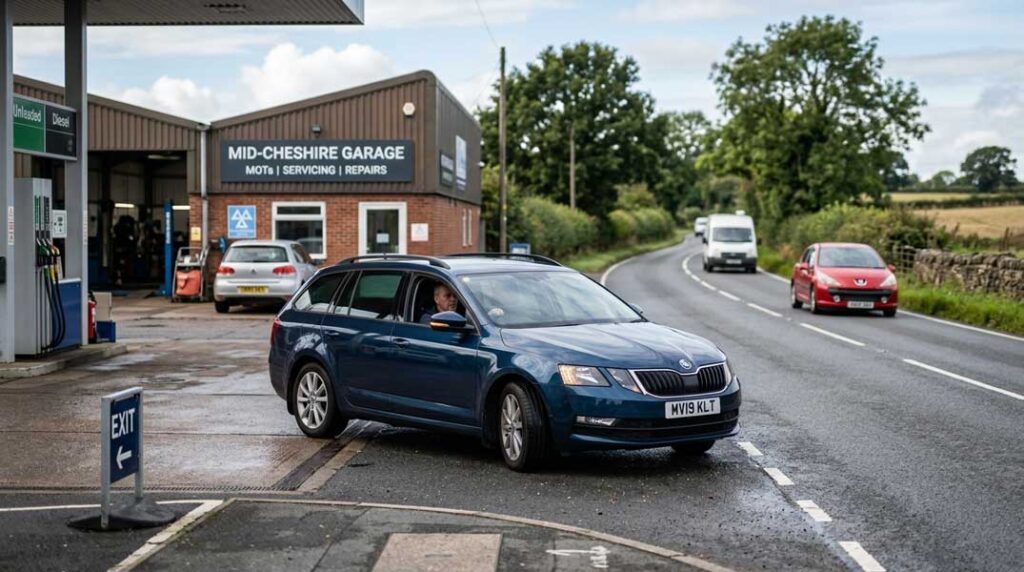
A car that’s been laid up for a while has often run past its MOT date. You cannot tax it without a valid MOT, but there’s one exception to the no-driving rule that lets you sort this out.
You’re allowed to drive a SORN car to a pre-booked MOT test, as long as it’s insured for the trip. Once it passes, tax it online straight away and you’re road legal. You can confirm the current MOT position any time on the GOV.UK MOT checker before you book.
What if you’ve lost the V5C?
Cars that have been off the road for years often lose their paperwork along the way. Without a V5C you can apply for a replacement using form V62, or apply for a duplicate logbook online and tax the car at the same time.
At a Post Office, a completed V62 acts as proof you’ve applied, so you are not stuck waiting for the new document to arrive before you can get back on the road.
How much does it cost to tax a SORN car?
What you pay depends on when the car was first registered and its emissions. For most cars past their first year, the standard annual rate from April 2026 is £200. Zero-emission cars now pay that rate too. The minimum tax period is one month.
Here is the honest bit worth pausing on. A car coming off a long SORN often needs an MOT, and after months standing still it can want fresh tyres, a battery, or work on seized brakes. Add a year’s tax and insurance on top, and the total can quietly climb past what the car is actually worth. It is worth doing the sums before you commit. You can check what your car is worth for free, and if scrapping beats reviving it we offer free collection and an instant online quote. If you do tax it, you can keep an eye on its status with our car tax checker.
Taxing versus keeping the car on SORN
There’s no rush to decide. If you are not ready to use the car yet, leaving it on SORN costs nothing and keeps it legal off the road, and you can tax it the day you are ready. The flip side is that a SORN car earns nothing while it sits and slowly ages on the driveway.
If you put the car off the road yourself and want a refresher on the rules, our guide to declaring a SORN covers that side of things. When the car has reached the end of its useful life rather than a quiet spell, scrapping turns it into cash instead of another year of standing still.
Frequently asked questions about taxing a SORN car
Does taxing my car cancel the SORN automatically?
Yes. Taxing the car is what cancels the SORN, and it happens automatically the moment the tax is confirmed. You do not need to send the DVLA a separate notification or fill in any extra form.
Can I drive my car before I tax it?
Only to a pre-booked MOT test, and only with insurance in place for the journey. Beyond that single exception, driving or even parking a SORN car on a public road before it’s taxed is not allowed and can lead to a fine.
Do I need an MOT to tax a SORN car?
Yes, if the car is over three years old it needs a valid MOT before you can tax it. If the MOT lapsed while the car was on SORN, drive it to a pre-booked test, then tax it once it passes.
How long can a car stay on SORN?
As long as you like. A SORN has no expiry date and no minimum term, so the car can stay off the road indefinitely. It only ends when you tax, sell, scrap or permanently export the vehicle.
How do I check my car is no longer SORN?
Once you’ve taxed it, the DVLA records update automatically. You can confirm the car shows as taxed rather than SORN using the GOV.UK vehicle enquiry service, or keep track of it with our car tax checker.