Whether you’ve got a pile of copper offcuts in the garage or a dead car sitting on the drive, the first question is the same. What’s it actually worth today? Scrap metal prices UK sellers see move daily, sometimes more than once in a morning, so any figure you read is a snapshot rather than a fixed rate. This guide gives you the current picture in 2026 for the metals people scrap most, explains what drives the numbers up and down, and shows how it all applies if what you’re really scrapping is a vehicle.
Scrap metal prices UK today: the current picture
Here’s a realistic snapshot of UK yard prices in June 2026. These are indicative ranges, not fixed quotes. Every yard sets its own board, rates shift daily with the market, and your grade and condition change the figure, so treat the table as a starting point and confirm locally before you travel.
| Metal | Typical per kg | Typical per tonne |
|---|---|---|
| Copper (clean/bright) | £4.00 – £5.50 | £4,000 – £5,500 |
| Brass | £3.00 – £4.00 | £3,000 – £4,000 |
| Aluminium | £0.50 – £1.20 | £500 – £1,200 |
| Lead | around £1.00 | around £1,000 |
| Stainless steel | £0.25 – £1.00 | £250 – £1,000 |
| Steel / light iron (ferrous) | £0.10 – £0.28 | £100 – £280 |
| Lead-acid batteries | around £0.20 | around £200 |
One tonne is 1,000kg, so to turn a per-tonne price into a per-kg rate you simply divide by 1,000. So £200 per tonne works out at 20p per kg. Copper sits at the top of the common metals and steel at the bottom, and the rest of this guide explains why that gap is so wide.
Ferrous versus non-ferrous: why it matters

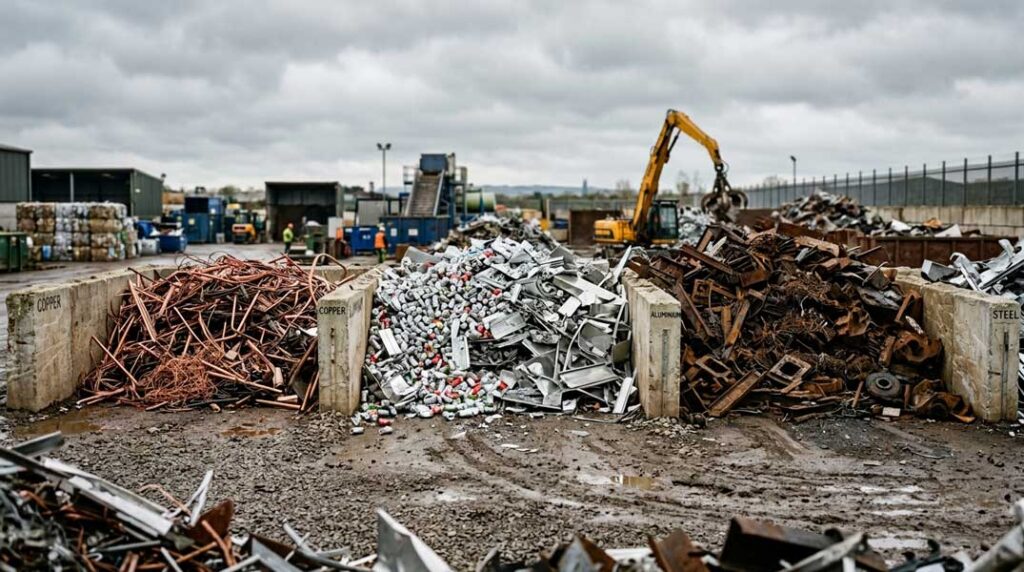
The single biggest thing that decides value is whether your metal contains iron. Ferrous metals, mainly steel and iron, are iron-based and magnetic, and they sit at the lower end for price per kilo. Non-ferrous metals such as copper, aluminium, brass and lead contain no iron, aren’t magnetic, and are worth considerably more.
Reach for a fridge magnet, the quickest test you can do at home. If it sticks firmly, you’re almost certainly holding steel or iron. If it doesn’t stick and the piece feels light for its size, it’s likely aluminium, and if it’s heavy with no magnetic pull it could be stainless or lead. There’s a handy trick for telling cast iron from steel too, as cast iron tends to snap when struck while steel bends. Brake discs, old radiators and engine blocks are usually cast.
Scrap steel and iron prices
Steel is the lowest value per kilo of any common scrap, yet it’s by far the highest by volume, which is why it’s quoted per tonne rather than per kg. In June 2026 UK scrap steel broadly trades in the £100 to £280 per tonne range depending on grade and region, and most yards want a decent load, often at least 200kg, to make a trip worthwhile.
Grade drives the rest. Heavy melting steel, known as HMS 1, is the premium ferrous grade and covers thick, clean steel such as beams and axles. HMS 2 is lighter material like sheet and bodywork and pays a little less. Light iron, which includes thin sheet, appliances and car bodies, sits lower again. Cast iron is graded separately. Because a car body counts as light iron, the steel in a scrapped vehicle sits near the bottom of the ferrous range, which is one reason the valuable parts matter so much. UK ferrous prices follow mill and export demand, tracking the Turkish import benchmark known as CFR Turkey. As a result they tend to hold steady for weeks at a time rather than jumping daily the way copper can.
Copper, brass, aluminium and lead prices
Copper pays the most of any common scrap metal, with clean bright wire and tube fetching the strongest rates and dirtier or mixed grades paying less. Purity is everything here, as Grade 1 copper at close to 100% purity is worth noticeably more than Grade 2. Brass, an alloy of copper and zinc, follows behind, and clean yellow brass from taps and plumbing fittings pays better than mixed or contaminated pieces.
Aluminium covers a wide spread because grades vary so much. Clean alloy wheels sit near the top of the aluminium range, cast aluminium lower, and mixed or painted material lower still. Lead is relatively stable next to copper and tends to hold a steady rate around the pound-per-kilo mark, while lead-acid car batteries are bought separately at a lower figure. Cables and electric motors are common sellers too, with copper-cored cable and clean motors paying more than their weight in mixed scrap suggests. Across all of these, separating and cleaning your metal before you sell almost always lifts the price.
What makes scrap metal prices change?
Most non-ferrous metals are priced against the London Metal Exchange, the global benchmark where copper, aluminium, lead and others trade. Yards take that spot price and pay somewhere below it, typically 20 to 50 per cent under, to cover their handling, transport and margin. You can see the benchmark for yourself on the London Metal Exchange website.
Copper, aluminium and lead track that exchange closely, which is why their rates can move several times in a single morning. Steel and iron behave differently, following UK mill and export demand more than the exchange, so ferrous prices can stay flat for weeks. Region plays a part on top of the market, with London and the South East often paying slightly more thanks to port access. Grade, purity and contamination can swing the same metal by two to three times. Clean, sorted material simply earns more.
Where to check live scrap metal prices today
Because rates move so often, a printed guide like this one shows you the shape of the market rather than the exact figure on the day you sell. For a live number you have a few options. The metals exchange shows the global benchmark for non-ferrous metals, though yards always pay below it. Independent price-index sites pull together yard rates from across the country and update daily, which gives you a fair national average to sense-check an offer against.
Local detail matters just as much. Many yards post their own board online and refresh it every working morning. Rates vary noticeably from one town to the next, so a glance at two or three nearby yards beats trusting a single source. If you’re chasing a today or per-kg figure, check that whatever page you land on carries a recent date, because a chart that hasn’t moved in months won’t reflect where the market actually sits.
How scrap yards weigh and pay you
Licensed yards weigh your metal on an electronic weighbridge, grade it, and hand you a printed ticket showing the weight and the agreed rate for the day. The figure you’re quoted at the gate is what you get for that load, settled on current market conditions.
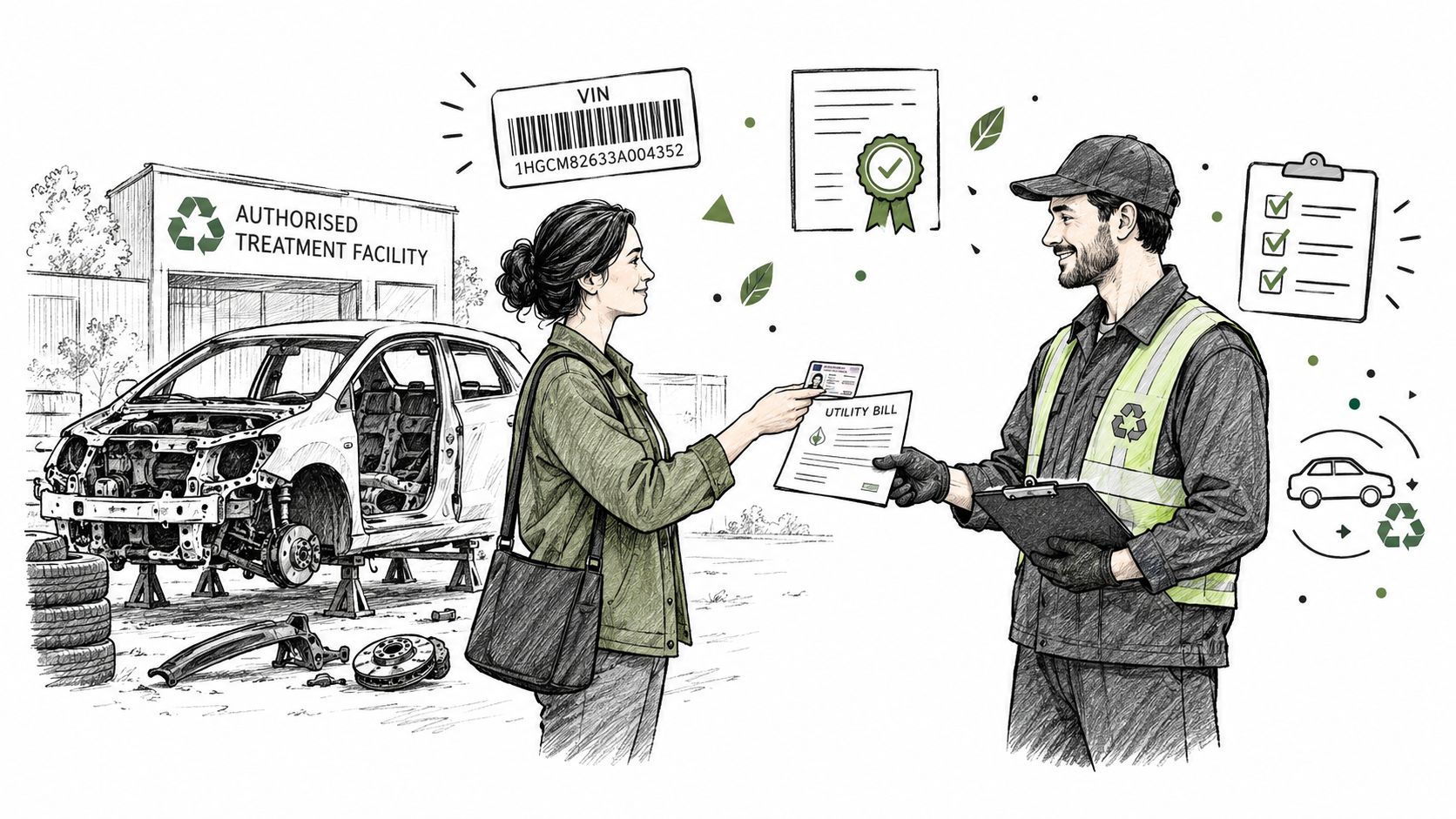
Payment follows strict rules. Cash for scrap metal has been banned in the UK since the Scrap Metal Dealers Act 2013, so a legitimate yard pays by bank transfer or cheque, never cash in hand. You’ll need photo identification and proof of address, and you have to be at least 18. Some yards also ask for proof of ownership on certain items. Anyone offering you cash with no paperwork is trading illegally, and selling to them risks landing you in the middle of a stolen-metal problem.
How to get the best price for your scrap
A little preparation goes a long way. Sort your metals by type before you go, keep ferrous and non-ferrous apart, and strip off attachments such as copper wiring, aluminium fittings or rubber where you can. Clean, separated loads can fetch 20 to 30 per cent more than a mixed heap.
Beyond that, it pays to shop around. Phone two or three yards in your area, since boards differ and some react to market moves faster than others, and check a live price page on the morning you plan to sell. If you’re selling steel, gather a decent weight first so the trip is worth your while. It also helps to ask the yard how they grade a mixed load, since two yards can class the same material differently, and that grading is what sets your rate. And if you’re not in a rush, watching the market for a week or two can occasionally catch a better rate, particularly on copper.
What your scrap car is worth
Here’s the part many people get tangled up in. Scrap metal prices are not the same as scrap car prices. When you scrap a vehicle, the value comes from its overall weight plus collection and paperwork, not from a simple per-kilo metal rate. You can’t just multiply the car’s weight by the steel price and call it a quote.
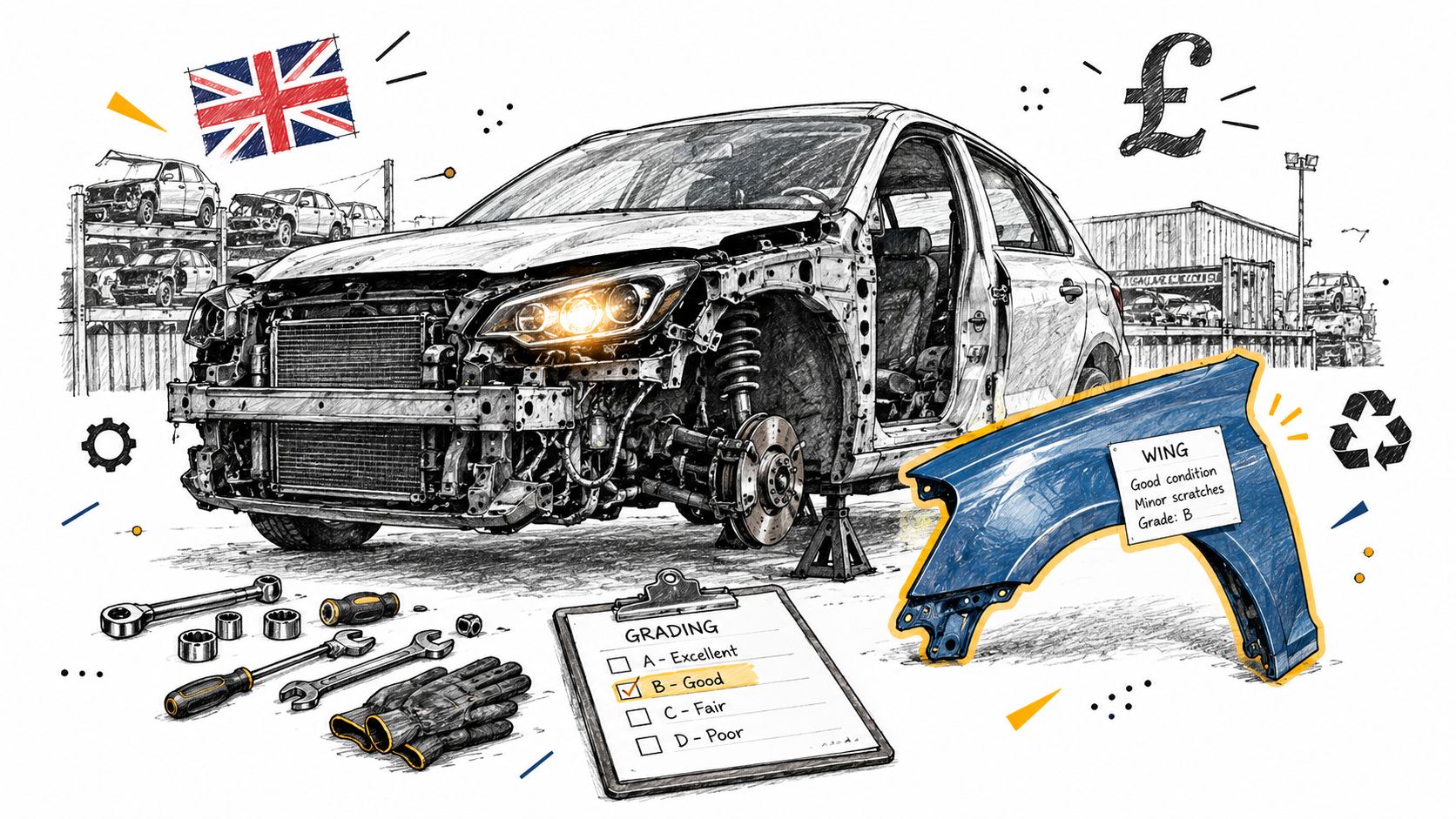
Most of a car is steel and light iron by weight, which as you’ve seen earns very little per kilo. The real value sits in a handful of components. The catalytic converter holds precious metals, the lead-acid battery has its own worth, the alloy wheels are aluminium, and a copper wiring loom runs through the whole thing. The catch is that stripping these out yourself rarely pays and can leave a car that’s harder to collect.
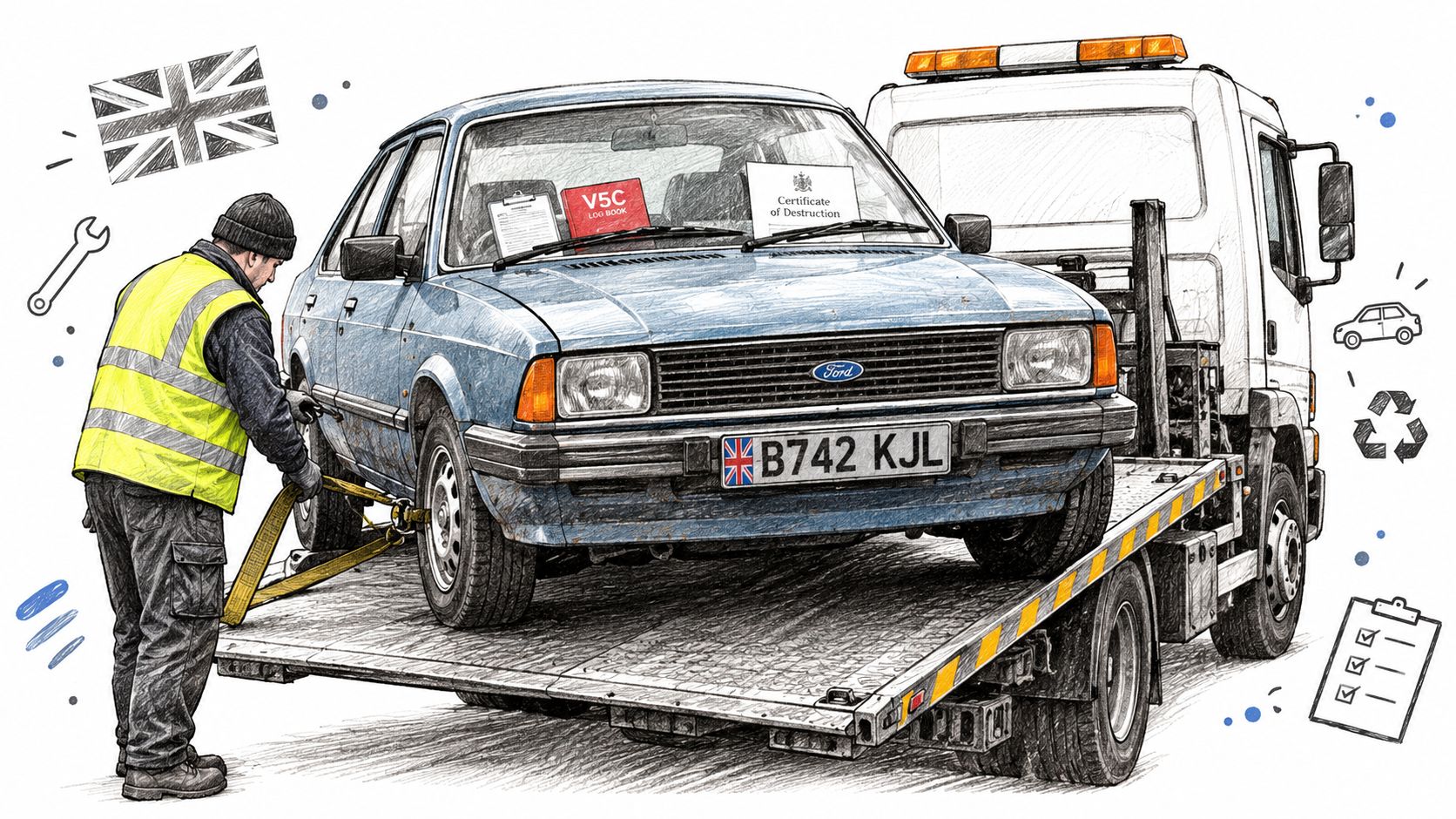
That’s why a licensed scrap car service is the simpler route. It prices the whole vehicle, the bulk metal and the valuable parts together, pays you by bank transfer under the same 2013 rules, and collects the car for free. You can check what your car is worth in a couple of minutes, get an instant online quote, and book free collection anywhere in England, Wales and Scotland. If it’s a van, our guide on how to scrap a van covers the heavier weights, and our breakdown of how much you get for scrapping a car walks through every factor in the figure. To use a licensed Authorised Treatment Facility, you can also confirm one on the GOV.UK scrap your vehicle service. The upshot is that a tired car is worth more handed over whole than picked apart for its metal, and you save yourself the labour into the bargain.
Frequently asked questions about scrap metal prices
What are scrap metal prices per kg in the UK today?
As a June 2026 snapshot, copper runs roughly £4 to £5.50 per kg, brass £3 to £4, aluminium 50p to £1.20, lead around £1, stainless steel 25p to £1, and steel or light iron 10p to 28p. These are indicative ranges that change daily and vary by yard, so always confirm locally before you travel.
Which scrap metal is worth the most?
Of the everyday metals, copper pays the most per kilo, especially clean bright wire and tube. Brass comes next, followed by aluminium and lead. Steel and iron are worth the least per kilo, though they make up the largest share of most loads by weight.
Why is scrap steel worth so little per kilo?
Steel is extremely common and traded in huge volumes, so it carries a low value per kilo and is usually quoted per tonne. It follows UK mill and export demand rather than the metals exchange, which is why ferrous prices can sit flat for weeks while copper moves daily.
Can I be paid cash for scrap metal?
No. Cash payments for scrap metal have been banned in the UK since the Scrap Metal Dealers Act 2013. A licensed yard pays by bank transfer or cheque and will ask for photo ID and proof of address. Anyone offering cash with no record is trading illegally.
Is a scrap car priced the same as scrap metal?
No. A scrap car is valued as a whole vehicle, based on its weight plus the catalytic converter, battery and other parts, along with free collection. It isn’t a simple per-kilo metal calculation, which is why a scrap car service quote differs from a weighbridge rate.